Now through December 24 take 25% off all Artifcts memberships!
Subscribe to our emails to gain a new perspective on ‘stuff’ with exclusive content and event invitations, direct to your inbox.
The perfect gift for the person
in your life who has everything.

Whether your parents were cleaning out their basement, or you were reclaiming bins of childhood memories of your own volition, maybe you have also stumbled upon heirlooms that made you go, "Hmmm?" Enjoy this short epilogue to this week's ARTIcles story Five Lessons From Artifcting With My Mother. We hope it makes you smile.
I'm not much of a collector, certainly not a hoarder. And yet guess what I found in my mish-mash dresser drawer - teeth. An uncontained, random assortment of Violet's baby teeth.

Before you rush to judgment, hear me (and surely other parents!) out.
I recently spent a few days back home in rural Wisconsin Artifcting with my mother. And guess what, we're still on speaking terms! I’m not a minimalist, but I do like to keep control of how much stuff is in my small home. Otherwise, I feel like it just zaps my mental energy. My mom is more sentimental and tends to hold onto things “just in case” so our styles can … clash. (Or at least seem to. Read a-ll the way to the end.)
Living in a 100+ year old farmhouse for the last 40+ years means that my parents have had a lot of time to accumulate and collect a delightful array of 'stuff.' As I'd hold up another object, open another drawer, or pull out still more boxes, the common refrain from my mother was, "I just set that aside to deal with another time." Sound familiar?
As a business owner and an adult child (and now parent myself), you can imagine I took a lot of mental notes along the way as we Artifcted together. I asked my mom for her notes, too, and am sharing our combined insights here to help you as you organize, declutter, downsize, or simply take a pause to reminisce and Artifct along the way.
Two quick points before we dive in. For context, my mom did not have items pulled out ready to Artifct, because my visit was a surprise. I had a list I wanted to ask about – and we did work through it! – but we started working in my parents’ old bedroom, which they now use for storage. We had plenty of boxes, bags, closets, cedar chests and more to work with. Also, we Artifcted on mobile, iPad, and laptop to find the format that my mom liked best. Verdict: iPad.

My parents are not moving anytime soon. And the two of them occupy very little square footage in their home. There is no immediate need to get rid of anything. So, what then was our goal? Honestly, I wanted to start to become a bit more aware of which objects in my parents’ home had hidden meaning to them. My dad was more interested in a bit of clean out. My mom just wanted to spend time together, Artifcting. She said, “It’s fun to enjoy the process and remember along the way. You have to think, 'Hmm, why did I keep this thing?'” What this meant then was that as long as we created a few Artifcts together and had some recycling, trash, and donations to show for our time, we would please everyone.
What and how much you want to Artifct is a key question, too, for us when the Artifcts team works in person with people through our concierge services. That way, everyone is pleased to have met mutually agreed goals.
I think by virtue of having moved so many times as an adult and living in a small house with an open floor plan with very little storage, there’s really nothing off limits in my home. My mom was more anxious about me digging into cedar chests, boxes, and paperwork without her first going through it. She wasn’t even sure what she had or what I would trip over, and she wanted to make the discovery first. Totally fine! We found a system so she could see or speak to an item first and then I’d help organize items for Artifcting, giving to another family member (usually one of my siblings), disposing, donating, or otherwise rehoming.
We wanted to get through large amounts of ‘stuff,’ but we also wanted to put things where they belonged to keep our working space clear. So, we’d take breaks to photograph items we wanted to Artifct later. These photo breaks were nice stress relievers, too, because sorting through so much can be a bit tiring and emotionally straining as you are washed by wave after wave of nostalgia. We’d also grab coffee and a snack during this break.
Time is the devil. We all know this, but we like to ignore it. My brother was out of town, but I had my parents, my sister, and extended family (just an email or text message away) to help fill in the blanks about the history or backstory of photos and items we came across. We used these family resources then and there, sometimes even recording video or audio of the funnier or sappier stories on the fly (Check out tips for audio & video in our FAQs!), to capture what we could.
Sometimes we were unsuccessful in that the long history – “Who gave this to you, and when?” – was lost already but the current history – “I’ve just always loved this pin,” or “My sister gave it to me for a gift at some point,” – was a compelling reason in and of itself to Artifct an item and revealed my mom's why (as in, why did she still have this item anyway).
Some 'stuff' really is just stuff. No great story or history attached. At least you won’t have to wonder and stress about it one day if your friend or family member is no longer here and you are helping to disperse the estate. That chest of drawers you think is interesting? Those old matching sweatshirts? They look cool and served a purpose, but they have no remarkable stories. Totally fine. Keep and use or move along to someone else who will. No guilt! (Side note: My mom wasn't interested in the sweatshirts anymore, but I was and even had my own story to layer on top of them!)

When I returned to Austin and took a look around my home, I had an ah-ha moment that would surely make my mother feel vindicated because as it turns out our styles do not clash as much as it may seem.
When she insisted on keeping multiple bags of old blankets because, "They're wool and could someday make good quilt lining," I took a breath and moved on but was frustrated. I was thinking that surely at 70+ years old my mom has a good idea whether quilting will actually be a part of her future, even if she lives to 100.
And, yet, I admit, I have bins in my attic with undergrad and grad school papers and books. Why? I always think, "What if I decide to teach?" you know, become a "professor of practice." Thing is, even if I did, would I really go back to these papers? And if that were remotely useful, why not just scan them and file neatly with a backup in the cloud. Okay, okay, Mom, keep your ratty old wool blankets.
Now, everyone, if you get nothing else from this tale, remember, these Artifcts are for you. So, enjoy. Find the pace and process that works for you!
P.S. Be sure to check out the bonus epilogue! We think it will make you smile.
###
Consider gifting the mom in your life Artifcts. Imagine all those "I never knew that about you!" moments that await.
© 2022 Artifcts, Inc. All Rights Reserved.
The old saying goes that there are two things in life that are certain, death and taxes. The funny thing is that we spend more time in our lives preparing our tax returns than we ever do thinking about much less planning for our inevitable passing. Enter Swedish death cleaning.
Before you get too nervous, please don't worry. It's not about death. It's about life!
What is Swedish death cleaning you might ask? Döstädning (dö means death, städning cleaning), or the art of death cleaning, is the Swedish practice by which the elderly and their families set their affairs in order. It involves organizing and decluttering your home to reduce the burden on loved ones of sifting through dozens (if not hundreds!) of objects to decide what is significant and what should be kept.
The term was popularized in 2018 with the publication of Margareta Magnusson’s book, The Gentle Art of Swedish Death Cleaning. Magnusson states, “Whether it's sorting the family heirlooms from the junk, downsizing to a smaller place, or setting up a system to help you stop misplacing your keys, death cleaning gives us the chance to make the later years of our lives as comfortable and stress-free as possible.”
Contrary to the name, you don’t have to be on death’s doorstep to participate. Whatever your age, the concept of Swedish death cleaning can be used to help you declutter your life and take stock of what's important.
I’ve had the privilege to participate in the Swedish death cleaning process with multiple Artifcts community members over the past several months, all healthy, happy, and overwhelmed by ‘stuff.’ As we started going through all that stuff, a couple of themes emerged.
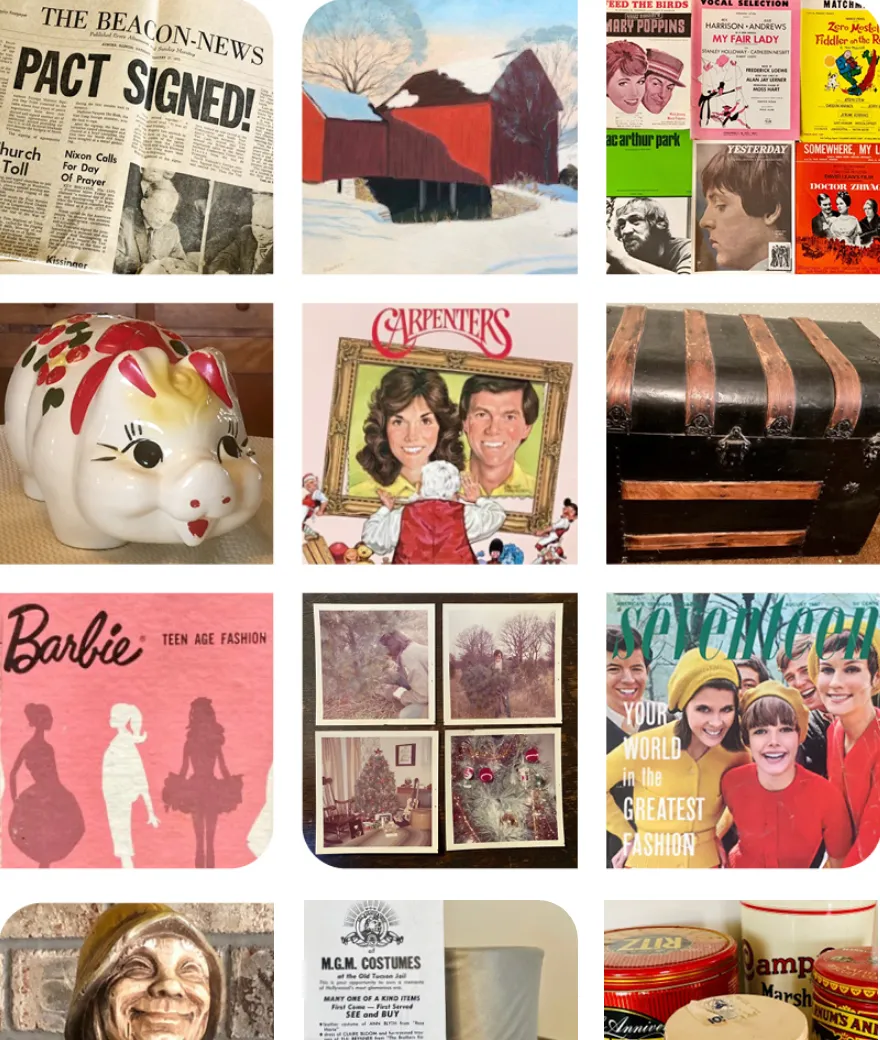
First, often the most valuable items are not the ones that have any real monetary value. Rather, the items have what one Arti Community member called “heart value.” It is very hard to tell which items fall into this category just by looking at them. Heart value may be found in a favorite piece of costume jewelry, a child’s handprint, or an old photograph of distant relatives or nearly forgotten adventures. It may not seem to have any value to you, an outsider, but it has tremendous value to the owner. Sound familiar?
Second, our community members were often under the impression that, “No one is going to want my stuff once I’m gone.” Not true. Or at least recent headlines may overstate this sentiment. In working with these families, I saw relatives come out of the woodwork to claim an item once they knew its story, history, sometimes even provenance.
I had one Arti Community member reach out to me after she shared an Artifct of a bowl she had bought in Brazil with her son. She had resigned herself to the fact that the bowl would end up in a donation box once she was gone. “Not anymore!” she was happy to report—her son now wants the bowl as a memory of his mother and a memento from his time growing up in Rio. That’s one less object for her to worry about, and one rediscovered piece of family history for her son.

Artifcts simplifies the Swedish death cleaning process by creating a safe and secure way to pass down stories (aka “heart value”) and not just things. Artifcts gives a voice to the objects of our lives that otherwise would remain silent, collecting dust or buried in a drawer or box. It’s no coincidence that attaching a story to an object, and maybe even adding an audio or video file too, increases the chances that the item will stay in the family. (And if it doesn’t, at least the memory and story can live on in family lore, even if the object is eventually rehomed.)
Ready to give it a go? Pick a favorite object that you may want to pass on to a loved one or friend either now or in the future. Create the Artifct, including any key details that make it special to you, and then share the Artifct with the intended recipient. (Here's one that I made for my daughter.) Connect or reconnect over the story, history, and memories, and recognize it is okay to let go, especially if the Artifct has found a new home.
###
© 2022 Artifcts, Inc. All Rights Reserved.
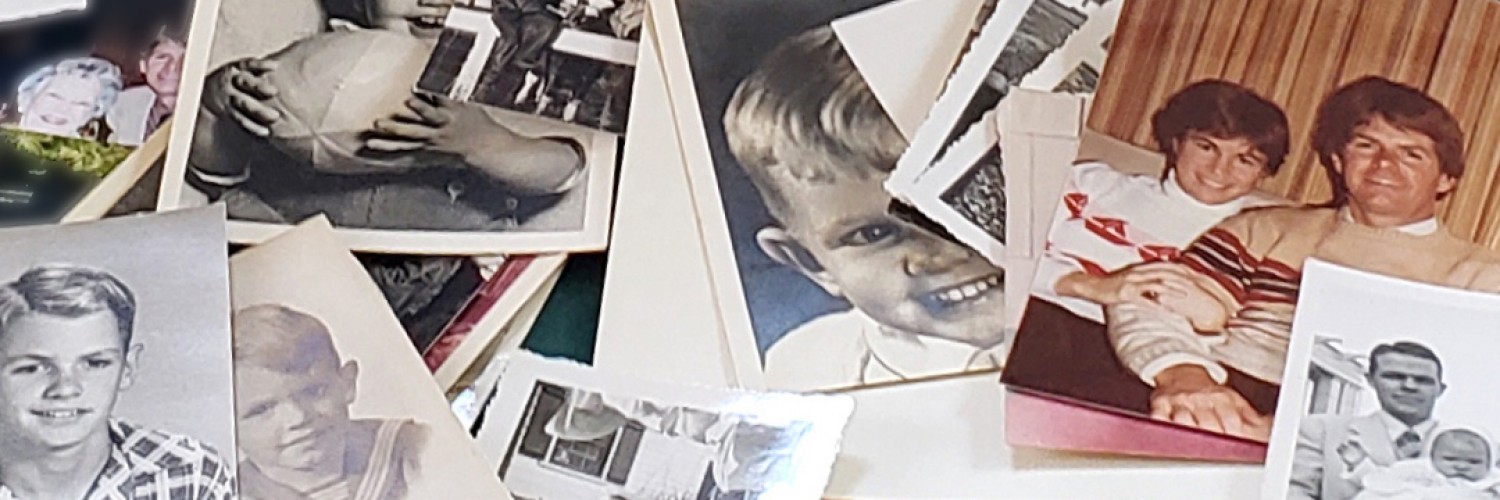
Shortly after the launch of Artifcts, I was introduced to Steven Fuhrman, Business Manager of Didlake Imaging. Steven and I immediately connected over a shared mission, helping individuals, families, and corporations preserve pieces of “their” story. Be it family wedding photos from generations gone by to historic maps, documents, and other physical pieces of paper that help shed a light on who we are, and where we’ve been.
Steven and I also bonded over our respective privacy first mindsets. It’s not often you find someone who goes the extra mile to help people protect their own privacy. I had an ear-to-ear grin as I listened to Steven describe in detail the steps he and his team take to preserve people’s privacy when handling their most sensitive and cherished objects.
Two months and several conversations later, I had the pleasure of taking a tour of Didlake’s Manassas, VA digital imaging lab, and sitting down with Steven and Valerie Spencer, Director of Business Development, for an interview/extended conversation.
Seeing that we at Artifcts get asked from time to time, “What should I do with this box of old photos?” we thought we’d share our conversation with our Arti Community. But before we do, one more comment: Didlake's facility is amazing. First, it is spotless. Paper generates a LOT of dust, and you would never know it by touring the Didlake facility. Second, they take security to heart. From cell phone lock boxes to security cameras. No stone was left unturned when planning the security footprint of the facility.
Having said that, on to the interview!
Heather Nickerson: Didlake has a fascinating, decades long corporate history as a non-profit. What prompted you to get into the digitization business?
Valerie Spencer: Didlake’s mission is to create opportunities that enrich the lives of people with disabilities. (Editor’s Note: Didlake prides itself on hiring local individuals with disabilities for a variety of jobs, such as photo scanning.) The management team at the time saw an opportunity with the Coast Guard to digitize large format drawings leveraging our past experience digitizing microfilm. Our first major investment was a large format scanner, a requirement for this project. Once we could demonstrate our success with large format, we could easily do other, less complex formats. Given our government contracting background, we pursued other large format and traditional digitization projects, including one with an airport. This then led us into the mass digitization market.
Heather: Tell us about the clients you typically take on.
Valerie: There is no typical project or typical client! Really, we work with anyone who has paper, anyone who has photos, maps, documents, student files, etc. We saw a need to support people cleaning out their homes during the pandemic and the holidays, prompting us to invest in specialty photo scanning equipment and to make improvements to our webpage.
Heather: Any surprises or heart-warming stories from over the years?
Steven Fuhrman: Our goal is to never turn anyone away. Most people send us boxes of photos, but no job is too small. One customer sought us out in the middle of the pandemic. He had lost his dog, and he only had three or four really good photos of the dog. He asked if we would digitize them for him as a way to memorialize his pet. Since it was in the middle of COVID, we did it for him while he waited in his car. It brought tears to his eyes knowing the photos would be preserved for years to come.
Another story that comes to mind is that one of our clients is an owner of an art gallery. She had recently discovered a box of letters that her father had wrote home to his family during the Vietnam War. She wanted to preserve the letters and his story. Our team handled the letters very carefully, taking them out of their original envelopes, digitizing them, and returning them to their original envelopes and safely storing/returning them. We were honored that she trusted us enough with those family treasures. You don’t just hand something like that over to anyone. We wanted to make someone’s life better and help preserve that piece of family history.
Heather: I can imagine you are dealing with people’s most cherished artifacts. What do you tell clients to reassure them that their items will be safe with you?
Valerie: We have a stellar reputation and have built up a lot of trust over the years. If the U.S. government trusts us with its most important documents, that says something. We also reassure clients that all our employees have background checks and have signed confidentiality agreements. We also franchise three The UPS stores and are experts in shipping and packaging; we know how to protect items in transit.
Heather: Not every digitization company has a state-of-the-art, secure facility. Can you tell us a bit more about that?
Valerie: Security is really important to us so we chose a location in a professional business park occupied by other county service providers. We utilize security cameras to track entry from the exterior and access control systems to permit access to sensitive internal areas. Our storage facility is dual climate controlled, and we use a secure cloud server for our digital services. We have invested in the security infrastructure to make sure people feel safe sending us their items.
Heather: You know the story of Artifcts. How do you think Artifcts could help you in your work with your clients?
Valerie: Artifcts is a natural complement to what we do at Didlake. We’re both preserving items in a digital manner and making it accessible and easy for people to share their memories. We all like to tell stories, and Artifcts lets the user tell the story.
If you are looking for someone to help digitize your old photos, documents, maps, and more, contact Steven at Steve@DidlakeImaging.com.
###
© 2021 Artifcts, Inc. All Rights Reserved.
You've joined 1,000s of community members who are telling the stories of their stuff.
You received this warning because you are using an unsupported browser. Some features of Artifcts will not be available or will be displayed improperly until you update to the latest version or change browsers.