






We often don’t realize how many of our questions remain unanswered until someone we love is no longer there to answer them. A family tree might tell us where someone was born, and a photograph might show us what they looked like. But those records can’t answer our questions about the life-changing decisions they made, their fears as new parents, or ordinary family moments that made them laugh.
That’s where thoughtful conversation can make all the difference.
We recently sat down with Luke Palder, founder and CEO of our partner MemoirGhostwriting.com, a company that helps people preserve their memories, family history, and life experiences through guided interviews. Its team transforms those conversations into a cohesive written keepsake that reflects the storyteller’s own voice and can be shared with future generations.
Luke shared why ordinary lives are never ordinary, why so many people postpone telling their stories, and how the right questions can uncover the moments families will value most.
“Ordinary” Lives: Why Every Story Matters
A memoir captures the stories that matter most for the people who matter most. When discussing memoir projects, Luke commonly hears two objections:
- “My life isn’t that interesting.”
- “No one will ever read it.”
When a 93-year-old woman wondered what there could possibly be to include in her memoir, she explained that she had only taught kindergarten for two years and raised five children.
Luke’s response was simple: “No one has raised five kids and doesn’t have fascinating stories.”
A meaningful life doesn’t require fame or widely lauded achievements. Ordinary experiences often become extraordinary with time.
As Luke explained: “The goal is not to have lots of people read it. It’s to have the people who matter most to you read it.”
One useful question can put the value of the project into perspective: Would you want the same gift from your own grandparents or great-grandparents?
And a memoir doesn’t have to focus on every job, relationship, and milestone. Instead, it can focus on the experiences that best reveal someone’s character, relationships, humor, values, and way of seeing the world.
As Luke put it: “A memoir allows you to put your thumb on the scale of what’s important.”
That freedom allows the storyteller to move quickly through some periods while lingering over the memories that carry the greatest meaning.
MemoirGhostwriting.com helps uncover the kinds of stories people often overlook at first, such as adjusting to life in a new country, a parent building a treehouse, or the objects someone keeps on a desk or beside the bed. Sometimes the memory of building a treehouse reveals more about a parent than the technical details of the job they held for 30 years.
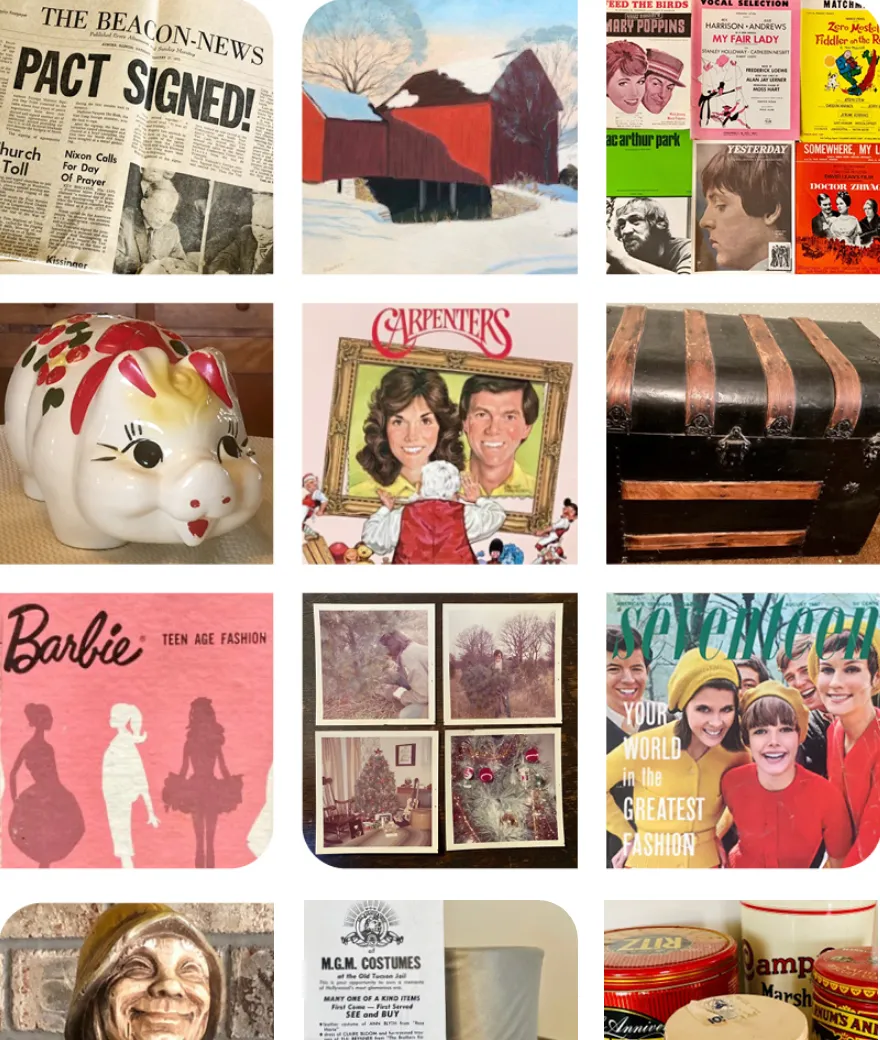
Objects can be especially powerful entry points into those memories. A stuffed animal, piece of china, photograph, recipe, or keepsake may unlock an entire chapter of someone’s life.
At Artifcts, we see this every day. The object may begin the conversation, but the memories and meaning surrounding it are what make the story worth preserving.
Why So Many Life Stories Remain Unfinished
Luke shared three common barriers that can make telling a life story or completing a memoir feel overwhelming.
- People don’t know what “finished” looks like
Most people create a memoir only once, so they begin without a clear sense of its appropriate length, scope, or destination. As Luke explained: “It’s hard to know what done looks like.” A guided process establishes what the finished memoir is intended to become before the storyteller is asked to account for an entire lifetime.
- They begin without an outline
Luke compared writing a memoir without an outline to building a house without blueprints. Tangents can sometimes uncover an unexpected story, but more often they make it difficult to stay focused and reach a finished result. A thoughtful structure gives the storyteller direction while still leaving room for memories to surface naturally.
- Finishing carries emotional weight
Completing a memoir can feel like seeing the shape of an entire life laid out on the page. That can be deeply meaningful, but it can also feel intimidating. This is where the human side of the process matters. MemoirGhostwriting.com’s interviewers serve as organizers and guides, helping storytellers move forward at a comfortable pace. Just as importantly, they build a relationship rooted in trust, so people feel supported rather than pressured.
Many people postpone preserving their stories because they assume there will be more time. But health, memory, and circumstances can change unexpectedly. Luke’s advice was simple: “Whether it’s with us or somebody else, record something.”
That might mean beginning a professional memoir, recording a conversation around the kitchen table using our Artifcts App, or asking one question while a loved one can still respond in their own voice. Don’t wait for the perfect time or the perfect system. Begin with what is possible today.
The Power of a Thoughtful Conversation
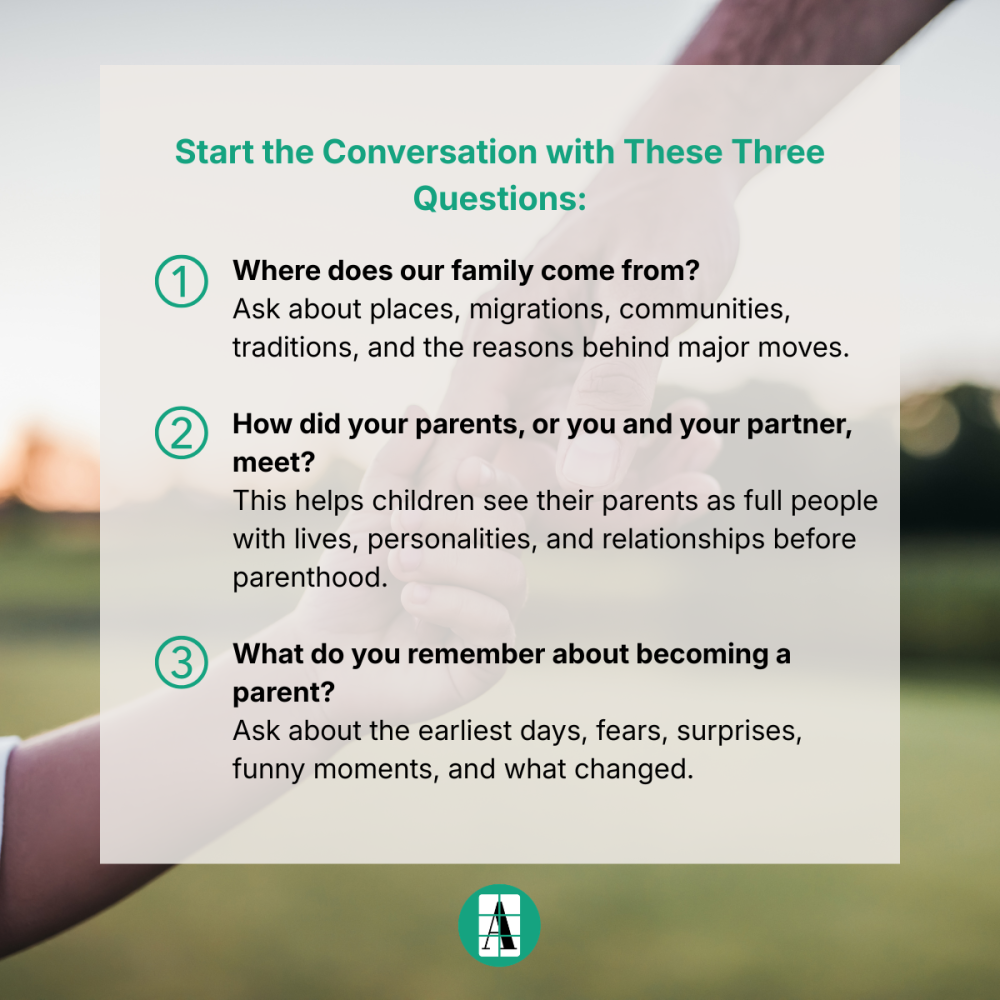
Written prompts can help, but a guided conversation often uncovers stories someone may never think to record on their own. A skilled interviewer notices when a memory sparks emotion and knows when to ask a follow-up question.
Luke described watching for a small but meaningful signal: “You see this little glint in their eye and… there’s something there that I’m going to circle back to.”
Photographs and meaningful objects can help unlock those memories, too. The goal is to create a trusting space where stories can surface naturally, then shape those memories into a memoir that still sounds and feels like the storyteller.
A Memoir Doesn’t Have to Be a Full-Length Book
MemoirGhostwriting.com offers a range of packages based on factors such as the storyteller’s goals, budget, and desired finished product:
- Transcript-focused keepsakes that preserve and organize the storyteller’s words
- “Mini” memoirs or life overviews centered on key moments or chapters
- Fully ghostwritten memoirs shaped into a polished, narrative-style book
- Customized projects that may include photographs, maps, recipes, family trees, or existing written materials
Luke emphasized that the most extensive option is not always the best one. The right memoir is the one that fits the family’s purpose, whether that means creating an accessible record for loved ones or a more fully developed book with a literary arc. The company’s client-focused process is also designed to make memoir production easy and fun.
What the Memoir-Making Process Looks Like
MemoirGhostwriting.com breaks the project into manageable steps while adapting it to each storyteller’s needs.
- Initial consultation: Luke and the storyteller discuss the purpose of the memoir and the desired scope.
- Recorded interviews: A skilled interviewer leads structured conversations while leaving room for unexpected memories and stories to emerge naturally. Photographs, family trees, existing writing, records, and meaningful objects can all help guide the questions.
- Transcription and writing: The interviews are transcribed and, depending on the package selected, organized into an outline that’s fleshed out into a manuscript.
- Review and revisions: The storyteller reviews the outline, first draft, and edited and proofread drafts throughout the process, ensuring the finished work reflects their voice, memories, and intentions.
- Design and delivery: The final project typically includes printed books and digital files, including the interview recordings.
The process is fully customizable. The team can provide large-print drafts, mail paper copies for review, or help families photograph meaningful items, making it easier for each storyteller to participate comfortably.
The Life Story and the Stories Behind the Things
A memoir preserves the larger arc of a person’s life, while Artifcts captures the individual objects, photographs, and keepsakes that help bring that life into focus.
Together, they offer two different views of the same story:
- An Artifct preserves the meaning behind a particular object.
- A memoir connects those moments into a broader life narrative.
- Existing Artifcts can help identify important people, places, traditions, and memories to explore during interviews.
- A memoir can add context that connects individual objects and stories across generations.
Luke shared that photographs and meaningful objects are often some of the best tools for bringing forgotten memories to the surface. A recipe, piece of jewelry, childhood toy, or family photograph can lead to a story that may never have emerged through dates and timelines alone.
The important thing is not to wait until everything has been perfectly organized or documented. Start with a few meaningful objects, a few photographs, or one important memory, and let the story grow from there.
Ready to preserve more of your family’s story?
Start by documenting one meaningful object in Artifcts, then explore how MemoirGhostwriting.com can help bring a lifetime of memories together through guided interviews and a finished family memoir.
###
© 2026 Artifcts, Inc. All Rights Reserved.


 Co-Founders Mike Trott and Rick Franco bottling Four Branches Bourbon.
  Four Branches Bourbon is on a mission to "Sip to Remember."
 Sarah's trusty go-everywhere appraisal bag full of her tools of the trade.



