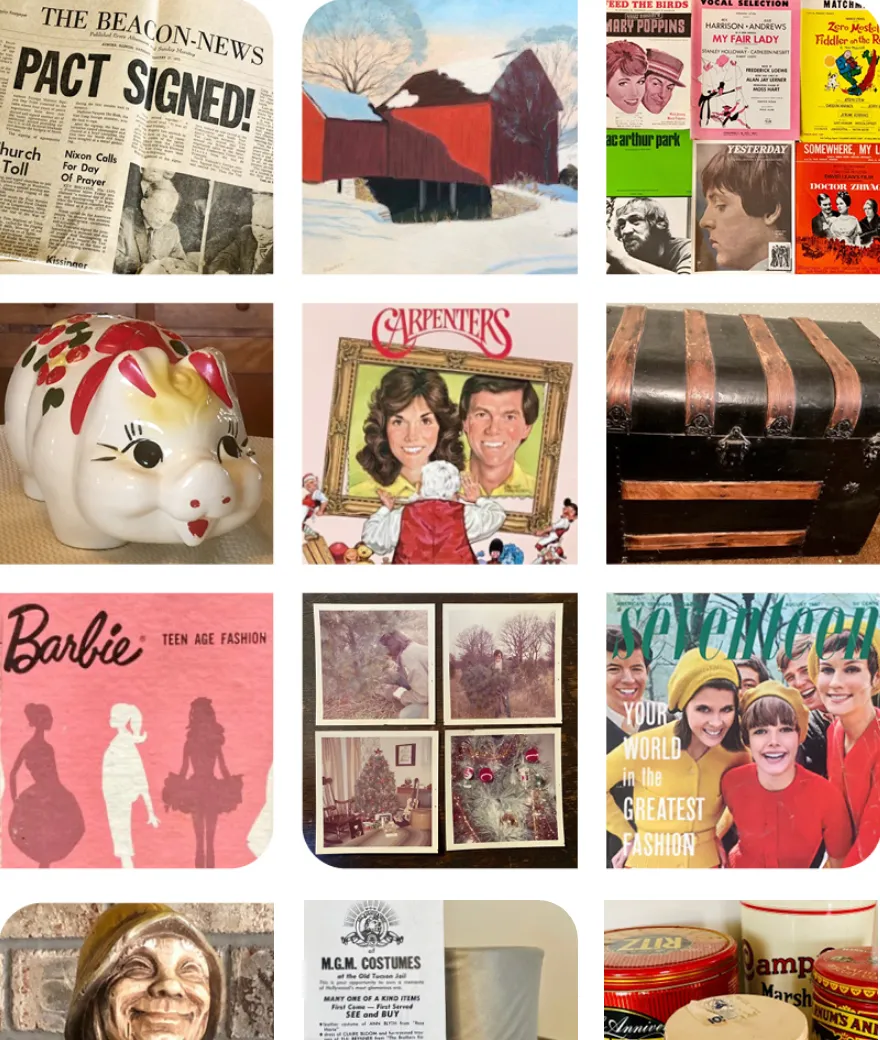


Give the gift small icon
Give the gift of Artifcts!
HELLO!
Give the gift big icon
Give the gift
of Artifcts

The perfect gift for the person
in your life who has everything.

Give a gift Close
Exclusive articles, interviews, and insights covering downsizing & decluttering, genealogy, photos and other media, aging well, travel, and more. We’re here to help you capture the big little moments and stories to bring meaning and order to all of life’s collections and memories for generations.
Share With Friends
Search ARTIcles by titles
Game On: How to Artifct Your Sports Memorabilia

Fall is here, and with it comes the return of some of our favorite sports traditions—Friday night lights, weekend soccer games, Saturday morning races, crisp afternoons at the ballpark, and plenty of time gathered around the TV cheering for our teams. 

And whether you’re the athlete, the parent on the sidelines, the lifelong fan, or the person who somehow ended up with a basement full of everyone’s sports stuff, chances are you have some sort of sports memorabilia you’re hanging on to. 

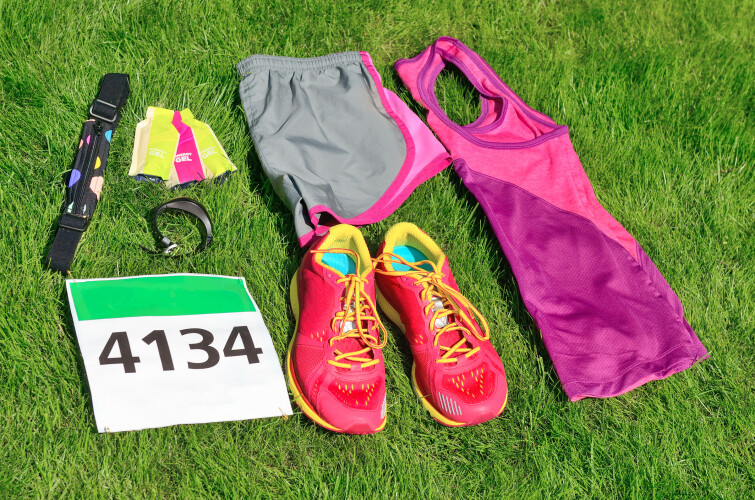
Maybe it’s a championship trophy from high school or a race medal from your first 5K. Or maybe it’s a signed baseball, a jersey with a name and number that instantly takes you back in time, or a team photo or a pair of well-worn cleats.  

Whatever the item, there’s a good chance it means more than it looks like it does. That’s where Artifcting comes in. 

Your Sports Memorabilia Is More Than “Stuff” 

A trophy sitting on a shelf can look like a trophy just like a jersey in a storage bin can look like an old jersey. But none of those objects can tell you what happened. 

They can’t tell you about the early-morning practices, the teammate who became a lifelong friend, the coach who changed your life, the race you weren't sure you could finish, or the championship game everyone still talks about. Without context, memorabilia can become anonymous objects over time. The story fades even while the object remains. 

The goal of Artifcting your sports memorabilia isn't to create a digital museum of everything you've ever owned. It’s to capture the meaning behind the pieces that matter—so the memories don't disappear when the physical item eventually does. 

And the best part? You don't have to start with your entire collection. You can start with one item. 

Step 1: Pick Your MVP 

Take a look at your sports memorabilia and ask yourself: which item would I be most upset about losing the story behind? 

Maybe it's your daughter's first soccer trophy. Your father's old baseball glove. The medal from the marathon you trained for all year. The jersey you wore when your team won the state championship. 

Think about your collection the way you would edit a highlight reel. You don't need every play. You want the moments that tell the story. 

Step 2: Capture the Basic Facts 

Before you get nostalgic, start with the basics. 

  • What is the item?
  • When did you get it?
  • Where did it come from?
  • Any other details? 

For a race medal, that might be “Capitol Hill Classic, May 17, 2024, Finish time: 1:10:36.” It can be that simple.  
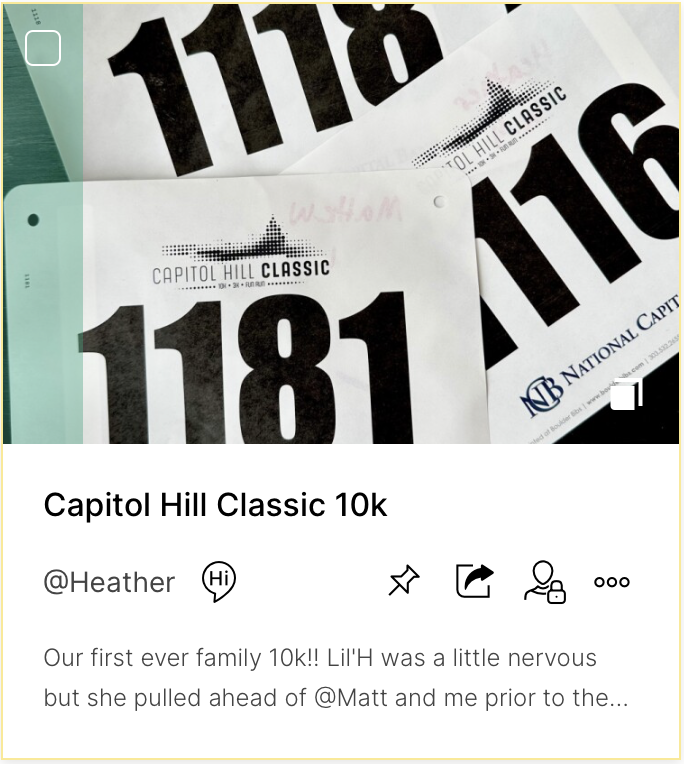


Our co-founder Heather Artifcts her family's race bibs and medals. Sorry, this Artifct is private!

These details may seem obvious today. But 20 or 50 years from now, they may be exactly what someone needs to understand what they're looking at. 

If the item has potential financial value, you may also want to capture an appraisal, certificate of authenticity, purchase information, or other documentation. 

Step 3: Tell the Story Behind the Item 

Now comes the fun part. The facts tell someone what the item is. Your story tells them why it matters. 

Ask yourself: what was happening in my life when I earned or acquired this? Why did this particular moment matter? Who was there? Who helped me get there? What do I remember that isn't obvious from the object? What makes me smile when I look at it today? 

Don't worry about writing the perfect story. Your story might be a paragraph. It might be a few sentences. It might even be four words, “My first race medal.” If the story is easier to tell than write, say it out loud. Add an audio recording to your Artifct so future generations can hear the story in your voice. 

Step 4: Take Photos—and Don't Stop at One 

Photograph your memorabilia from multiple angles, especially when there are details that tell part of the story. 

For example: 

  • Photograph the front of a trophy and capture the engraved plate.
  • Photograph the front AND back of a jersey.
  • Take a close-up of an autograph. 

Don’t forget to include old photographs, newspaper clippings, programs, or certificates that provide additional context. Think of your photos as evidence and illustration for the story. The physical item may one day deteriorate, get damaged, or eventually leave your home. Your Artifct preserves a record of what it looked like and why it mattered. 
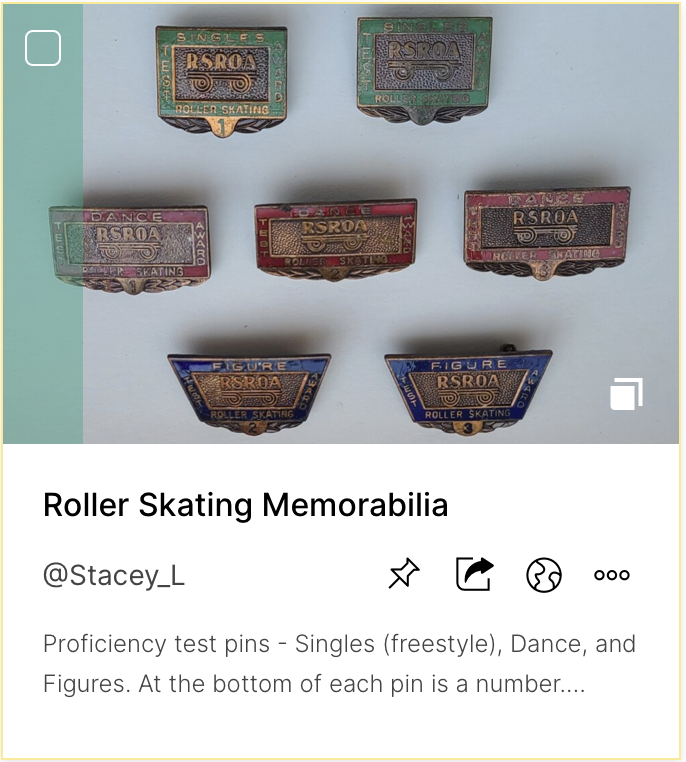


Step 5: Connect the Memorabilia to the Moment 

This is where your Artifct can become especially powerful. If you have a photo of yourself crossing the finish line, pair it with your race medal. If you have a team photo, pair it with the championship trophy. If you have a ticket stub from a game you attended with your dad, tell the story of that day. 

In other words, don't think of your memorabilia in isolation. Think of it in stories. And don’t forget that sometimes a group of related items or a collection tells a better story than any one object can tell on its own. 

Step 6: Decide What Happens to the Physical Item 

Once you've captured the story, you may find that you feel differently about the physical object, and that's okay. Artifcting doesn't mean you have to keep everything. 

In fact, documenting your sports memorabilia can make it easier to curate your collection thoughtfully. 

You might decide to: 

  • Keep and display the pieces that genuinely bring you joy or represent important chapters of your life.
  • Pass down the items if you know who you'd like to have it someday, and if you plan to do so, use the Artifcts In the Future field to document that intention.
  • Repurpose some of the pieces. Old trophy plates can become part of a shadow box or memory display. 
  • Let it go. You can photograph and Artifct the item before donating, selling, recycling, or otherwise letting it leave your home. 

The physical object doesn't have to stay forever for the story to stay. 

Your Sports Collection Is a Highlight Reel of Your Life 

When we talk about sports memorabilia, it's easy to focus on the objects—the trophies, medals, jerseys, balls, cards, photos, and equipment. But the objects aren't really the point. 

The trophy represents the hours of practice. The medal represents the finish line. The jersey represents the team. The baseball represents the game. And sometimes the old, scratched-up piece of sports “stuff” represents a version of yourself you never want to forget. That's what makes sports memorabilia worth Artifcting. 

So, this fall, as you head out to the field, the pitch, the track, the court, or the stands, take a look around your home, too. Find one piece of sports memorabilia that matters. Photograph it. Capture the facts. Tell the story. Add the people, photos, videos, and memories that bring it to life. Then decide what you want to do with the physical item. 

Because the trophy is just a symbol. The story is the legacy, and that story deserves to live on. 

Happy Artifcting! 

###

Looking for additional inspiration and ideas of what to do with all your sports memorabilia? Check out our ARTIcles story titled, Pass It On, Transform It, Or Let It Go, featuring two innovative companies, MemoryStitch and Little Curiosities. 

© 2026 Artifcts, Inc. All Rights Reserved.

Read more
How to Artifct with Grandma and Grandpa

For many of us, summertime means time with extended family, maybe even “sleepaways” with Grandma and Grandpa. We should all be so lucky!

In the spirit of quality time together at any time of the year, we sat down this summer to interview a granddaughter-grandmother duo who have spent occasional Saturdays throughout the past couple of years Artifcting together. We wanted to learn why they took up Artifcting and any tips they have for other intergenerational pairs who plan to connect with each other through Artifcts.

In case you’re short on time, here was what they each wanted to be sure you knew: 

Granddaughter: I never spent time one on one with my grandma. We see each other a lot, she only lives 45 minutes away, but all of our gatherings involve my siblings and/or at least one of my parents, too. Plus, I was going away to college soon and knew I wouldn’t see her much for a while. 

Artifcts is easy to use, easy to share, which was critical. I knew my dad would love the Artifcts, too. He’s a big storyteller. The biggest surprise about Artifcting was that it totally changed how I think of my grandma, and I feel closer to her than ever.  

It was never a chore. I wanted to be with her. 

Grandma: No one can sit still these days, never mind exist without their cell phone.  

My granddaughter is funny and an artist, too. I’m always interested in what she’s doing. I didn’t think she was interested in my stories from the old days. But once I told her a story or two from living abroad in my 20s, she kept coming back to ask for more stories.  

It wasn’t my plan, but I started to give away items I had collected, too. Not just to her. I had her bring items to others because once I told the story, I knew who would enjoy it and would give it a good home. And you know what? Not once did they say to her that they didn’t want it. They loved the stories! 

You may also be interested in our ARTIcles by Artifcts about Swedish death cleaning. 


We're honored to participate once again in Grandparents Week - the largest online celebration and educational event for grandparents of its kind. Hosted by our partner, GrandparentsAcademy.com, this event showcases leading experts and resources for grandparents. Artifcts will be spotlighted in the GrandTech Showcase and delivering a walkthrough on how grandparents can use our solution to capture and share meaningful stories from their stuff.'

Tips for Artifcting with Your Grandparents

Above all else, don’t let the age difference get in the way. Fun fact: A 2006 study by researchers from Duke University and the University of Aarhus found that older respondents feel 20% younger than their actual age. So your grandparents may very well respond to you as though they are much younger than they are! 

But as far as true age goes, be mindful of how your respective ages might require a breath or two to (a) break down any awkwardness, (b) explain the purpose and process of Artifcts, and (c) find the right pace for your Artifcting together. Here are tips other grandchildren offered from their Artifcting experiences: 

1. Be ready. Create a few Artifcts for yourself before arriving.  

Use whatever device you plan to use when Artifcting with your grandma/grandpa to avoid any stress or delays in the process. (Artifcts note: We have a series of tips videos, too, if needed.) And if they want to Artifct on their own, share one of your unlimited Artifcts accounts with them and help them set it up.

Bring an Artifct That! Kit with you so you are not asking them for these supplies to support your Artifcting, and review our tips for taking photos of objects.

Also, if you know they plan to move or downsize, help them out by adding dimensions to their Artifcts, using helpful tags (e.g., #attic, #livingroom, #hallcloset), and filling in that ‘In the Future’ field too – does Grandpa want to sell this item, donate it, bequeath it?

2. Explain yourself! Share what Artifcts is, why you want to Artifct together, and how it will help them to share the memories and value behind all these objects with other family, friends, and potentially advisors (estate attorneys, insurance agents, wealth managers). 

3. Again, they may be older, but they were young once, too. One granddaughter said she felt like her grandma was a 20-year-old person in an 81-year-old body. Once they started to talk, the decades between them melted away. Talk with respect, listen with still greater respect, and remember they were your age once, too! 

4. Breaks are good for everyone. If you are creating Artifct after Artifct for grandma/grandpa, you’ll want a break. Eventually they will, too. It's hard to be “on” for so long and you’ll need to stretch your legs. Go for a walk, grab a coffee, or call it a day and come back again sometime soon. 

5. Hold those assumptions. Just because that portrait or vase has always been featured in a seemingly special location in their home doesn’t mean it’s what they value most. Start by asking about an object you are interested in. Then ask them to pick an item and see where it leads you both. 

6. Make sure they know you truly do want their stories. This is not homework. No one sent you. You are curious. Now, in reality, there may be details they aren’t comfortable sharing with you, and that’s okay. Avoid rushing them, embrace pauses, and let them take the lead. 

7. Ask first. Before you grab an object or take a picture, especially if they are in the picture, ask their permission so it’s clear this collaboration is on their own terms. Maybe they are more comfortable recording using their voice only instead of on video. Or maybe Grandma got all dolled up and is ready for her spotlight. Be respectful of their space and their person and ask first.  

8. Don’t argue. You may have heard the story told another way by your parents or another family member. Think of it as a difference of perspective. Record it faithfully. This may make for some fun conversation the next time the whole family is around the table as you parse through tall tales and family lore.

This is especially important if you are Artifcting with someone with any stage of cognitive decline. Let the conversation flow. Be an active, supportive listener, not a domineering guide. 

You may also be interested in these ARTIcles by Artifcts about dementia.

Tips for Artifcting with Your Grandkids

You didn’t think this was a one-way street, did you? Your grandkids may in fact have short attention spans and very narrow or different interests than your own. But this is your home, your life, so enjoy the element of surprise as you share never-before-heard stories that will capture their attention and imagination.

1. Gather a few objects in advance. If you have picked a few items you want to share, it will remove any hesitation to dive in once they arrive.  

2. Find a comfortable place. If you prefer to be in the living room, then guide them there from the get-go. Ideally your location has nice natural lighting so they can snap some nice pictures of the items and maybe even record you on video, too, if you’re game. 

3. Is anything off limits? Let them know if there are people or times of life you do not want to talk about. Conversely, if you want to talk about your parents, your career, your passion for {hobby}, let them know, and have photos, objects and other things on hand to guide the Artifcts conversation in that direction. 

4. Do you need any help with these objects? Perhaps you’ve decided to sell a collection, donate certain items, or pass keepsakes along to family members and friends. Make sure you note your intentions in each Artifcts’ ‘In the Future’ field. If your grandchild is of the appropriate age, maybe they can help get the ‘stuff’ where you want it to go next. If not, download your collection and choose the ‘Up Next Report’ to download and share with loved ones who can help you begin to downsize and/or declutter. 

5. Enjoy. Let them do the Artifcting, like your own very own biographer. That said, if you’d like to surprise loved ones with Artifcts after your grandchild has left, make sure they show you in the ins and outs of Artifcts so you feel comfortable Artifcting and sharing Artifcts from your own account and your own device.

Happy Artifcting!

###

© 2025 Artifcts, Inc. All Rights Reserved.
Read more
How to Artifct Family History and Heirlooms

Connect the Dots so History Can Live on 

Often genealogists and/or the "family keepers" find themselves on lonely hunts for the details of the near to distant past that help them piece together their family history. If you truly seek to preserve memories and keep the family history alive, the scattered facts, photos, and memories locked into family trees and timelines or behind paywalls might be your best tools and your biggest hurdles. 

Here are a few of our favorite combos of photos, video, and audio for a family history experience that will stand the test of time and engage the next generation: 

    • Ship manifest + family photo + audio of Grandma's and Grandpa’s version of events;
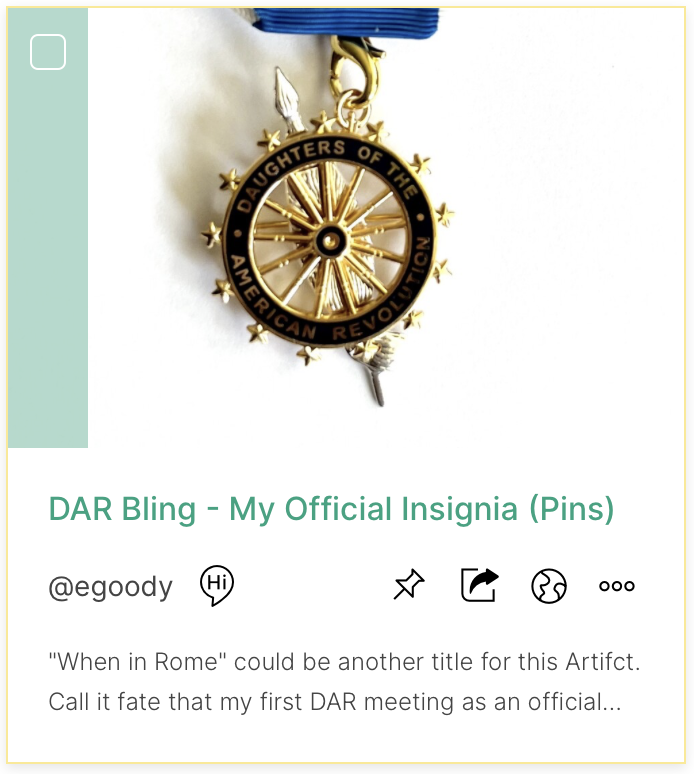
    • DAR certificate + family lineage to the Revolutionary War + who applied, why, and what you know about the patriot;
    • Baby’s baptismal gown + photo of the wedding dress it came from + generations of pictures of those who wore the gown.  


Don't Forget! 

    • Artifcts’ invite-only circles are perfect for modern family history and reuniting family heirlooms every day. Not just during family reunions! Don't wait until it's too late.
    • Never share personal information about living relatives without their permission. Privately share the Artifct, leave a note, see what they think!
    • Use "Location” on your Artifct to record where you have stored other related files online or in hard copy and select an option from “In the Future” to help make your wishes known. 

_________________

 Have another tip or approach for genealogists and family history enthusiasts?  

Share on social media or write to us at Editor@Artifcts.com.

###

© 2023 Artifcts, Inc. All Rights Reserved.

Read more
How to Artifct that Militaria

Taking Steps to Capture Military Service History 

Realities shared among those who served together, snippets of which might be recorded in letters and photos as well as the service uniform that evolves over the course of a career. These are pieces of a story that is unique to each person who has served, the jobs they held, the places where they were deployed. They also hold meaning and sometimes mystery to those who wait at home for their service members to return. 

We know one service member’s experience is unlike any other’s career. But how do we know more and learn from our history unless we capture and share it? Consider these combos of photos, video, and audio to capture pieces of military service history: 

  • Photos of full-dress uniform + close ups of each sleeve + front + description of each with rank and time period;
  • Mail from home + mementos carried with you + video snippet talking about the objects;
  • Picture with fellow service members + service award or certificate + story of that moment in time.


Check out the Artifct: West Point Class of '79 Ring.

Don’t Forget 

Remember many people lack a military background and vocabulary. Your loved ones and peers will enjoy your stories, no matter how detailed. Most civilians simply have no context for military concepts and lingo unless you give it to them. What does that rank or that call sign mean? 

Privacy & security first. Be sure to consider how/whether you mention others by name. Maybe share the Artifct with them privately first to make sure they are okay with it before you share it more broadly. And avoid all sensitive operational details – it's the big picture story that should live on! If in doubt, leave it out.

Trying to research the military service of your next of kin? The Department of Veterans Affairs can help! Click here  to get started.  

Questions about the militaria that you have or may have inherited? Reach out to Mid-Atlantic Military Antiques, one of our 'Allies in Stuff.' 

_________________

Have another tip or approach for military mementos? 

Share on social media or write to us at Editor@Artifcts.com.  

###

© 2023 Artifcts, Inc. All Rights Reserved.

Read more
How to Artifct Childhood Mementos

The Details Make the Memory 

This is a good one for the whole family to join in on, even nannies and other caregivers who knew your little one when or maybe even knew you when. Digital photos and files have created false security and a lot of chaos. All you have is a trinket, a piece of clay art, or a photo (if you can find it), and whatever you can remember about it as time goes on. We can do better for the daily moments that make us smile and the big events that fundamentally change our lives. Childhood, a history, at your fingertips with Artifcts.

You may already know the combinations for Artifcts are endless. When it comes to all things childhood, here are some favorites: 

  • Record you, or a loved one, reading your favorite story + include a photo of the book (or you with it!) + tell the story of why you loved it so.
  • Write down the story of “the day you were born” + photos of baby’s first outfit + blanket + bracelet or hat. 
  • Annual traditions make great Artifcts: Every Halloween costume, school photo, summer trip, and homemade holiday craft, show not just growth but how preferences and personality change, too.
  • Video snippets of littlest voices: Words they couldn’t pronounce, funny expressions, singing songs, “mastering” a new song or sport, chattering with pets. These are the best moments!  

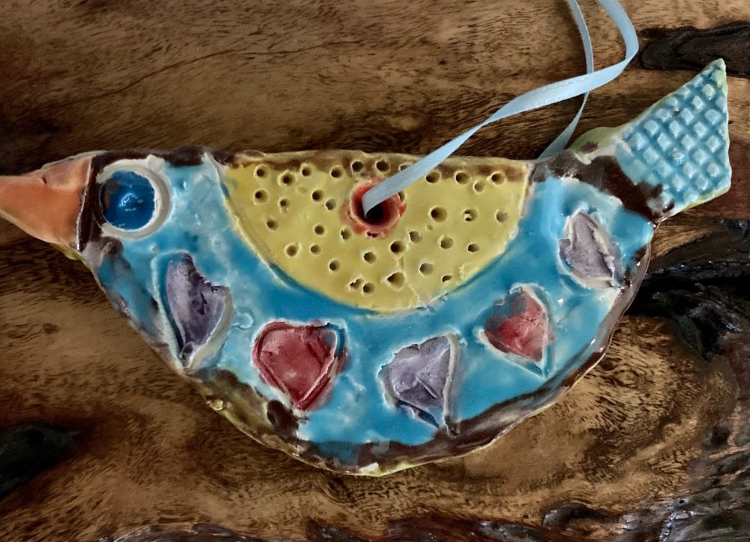
Ceramic bird


Click the image to view the story of the Artifct about Twilight the Bird. 

Don’t Forget 

We all forget. We’re all busy. Take the 30 seconds to Artifct that so it can accumulate without thinking and build a history to last generations.

Don't want the world to see those childhood firsts? Sharing privately is simple with Artifcts! You can create family circles so that you can keep everyone up to date on the big and little moments and others can contribute as well. You won’t be there for every moment and it’s fun to see your kid through another’s eyes. 

###

Artifcts Gift

Consider gifting the mom in your life Artifcts. Imagine all those "I never knew that about you!" moments that await.

© 2023 Artifcts, Inc. All Rights Reserved.

Read more
How to Artifct Art

Art’s Perfectly at Home at Artifcts 

So much potential lies hidden within an artistic creation. The muse, the materials, the process, and of course the meaning it holds to you. Experience the art and preserve it here digitally so you can enjoy it anytime and anywhere. We’ll never compress your files or share your reference documentation, the details of its location, or its value.  

Here are a few of our favorite Artifcts combos for works of art that will outlast us all! 

  • Photo of that kid art + video of the little artist telling you all about it + tag it with their name or age for easy sorting later
  • Photo of original photo framed on wall + other photos from that day + audio of your mom telling you about the day she took it + original photo file attached in documentation 
  • Photo of the ceramic on display in a gallery + now on your shelf + video hello from the artist + attached documentation (receipt and certificate of authenticity) 
  • Photo of painting + video of making of + details about the creation process and materials

Click the above photo to view the video of the artist creating 'A by Saber.'

Don't Forget! 

Provenance for art – in the form of receipts, certificates of authenticity, and photos of signatures and other marks – supports insurance as well as resale if you or a loved one chooses to sell it one day. 

Keep track of works in progress and your portfolio through the years. You’ll thank your future self! 

QR codes are your friends. Place it on the back of a frame, slip in a vase, include in your files. Or, if you’re the artist, include it on your business card or gallery signage. Art comes alive through Artifcts even when you’re not there to greet every admirer. 

 ___________________________

Have another tip or approach for art? 

Share on social media or write to us at Editor@Artifcts.com.  

###

© 2023 Artifcts, Inc. All Rights Reserved.
Read more
Articles Themes
Contact the Editor
Have feedback? Artifacts to feature? We’d love to hear from you.
Your privacy

This website uses only essential cookies to provide reliable and secure services, streamline your experience, allow you to share content from this website on social media, and to analyze how our Site is used. Learn more about these cookies and cookie settings.

Accept & Continue
Oops! This Web Browser Version is Unsupported

You received this warning because you are using an unsupported browser. Some features of Artifcts will not be available or will be displayed improperly until you update to the latest version or change browsers.

Close
Image for unsupported banner Oops! This Web Browser is Unsupported

You received this warning because you are using an unsupported browser. Some features of Artifcts will not be available or will be displayed improperly until you update to the latest version or change browsers.

Unsupported banner close icon Close