
Give the gift small icon
Give the gift of Artifcts!
HELLO!
Give the gift big icon
Give the gift
of Artifcts

The perfect gift for the person
in your life who has everything.

Give a gift Close

A Harp, an Accordion, and 60 Years of Merriment

November 06, 2021

He said it started with a train ride to buy a harp at the turn of the 20th century.  

Jerry May’s father made young Jerry wait until he was 10 years old to learn to play the accordion. Begging since the age of seven, his dad wanted to be sure his eldest son “knew the value of his music” and would not give up on it. But Jerry would never give up. 

Music was in his blood. From Jerry's grandfather taking the Burlington railroad into Chicago to purchase a Chicago Harp to his mother and eventually his siblings each playing piano, music was an ever-present part of Jerry’s life.  

The accordion by design is a lonely instrument. With the keyboard on the right and bass on the left, you are your own accompaniment. But you don’t have to be. By the time Jerry was 13, he was taking his 12 bass accordion to accompany his twin sisters who would sing at events in town. Jerry recalled the amazing payment they received after playing for the local fire department where their dad volunteered - a pizza dinner! This was the early 1950s and pizza was just getting its start. He delighted in the novel treat. 

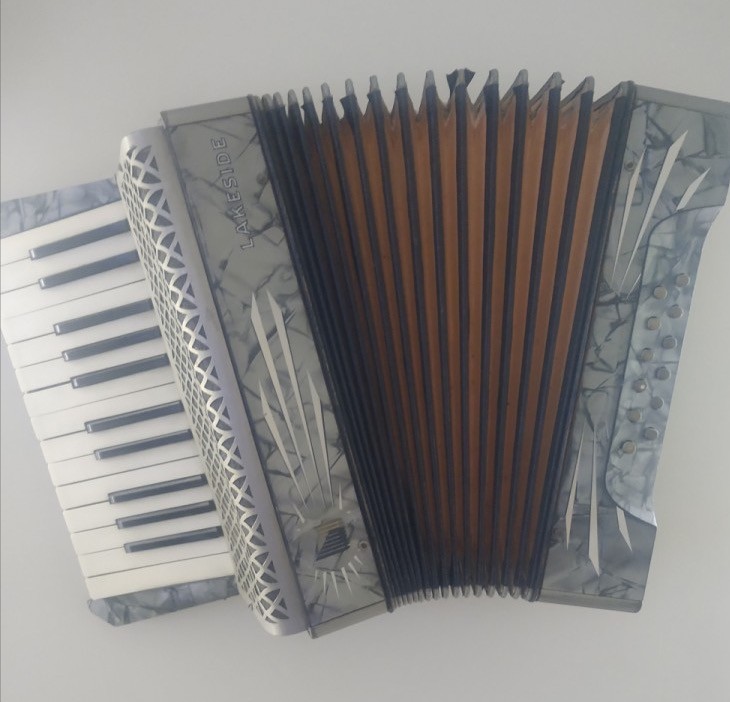
12 bass accordion          

Fast forward to Jerry’s senior year at the Marmion Military Academy, a local Catholic high school, when he joined the school’s professional band as the only accordion among largely classic brass musicians. He was inspired and upon graduation he and a friend started a band named the Mello Tones.  

For the next 40 years, the band—which also included tenor sax, alto, clarinet, drums, and a bass—played classic dance tunes, including polkas, waltzes, and period classics from the 40s, 50s, 60s, and 70s, at weddings, clubs, private events and parties, riffing off each other, and loving life. Jerry led the band with a singular mission after all — making people happy.  

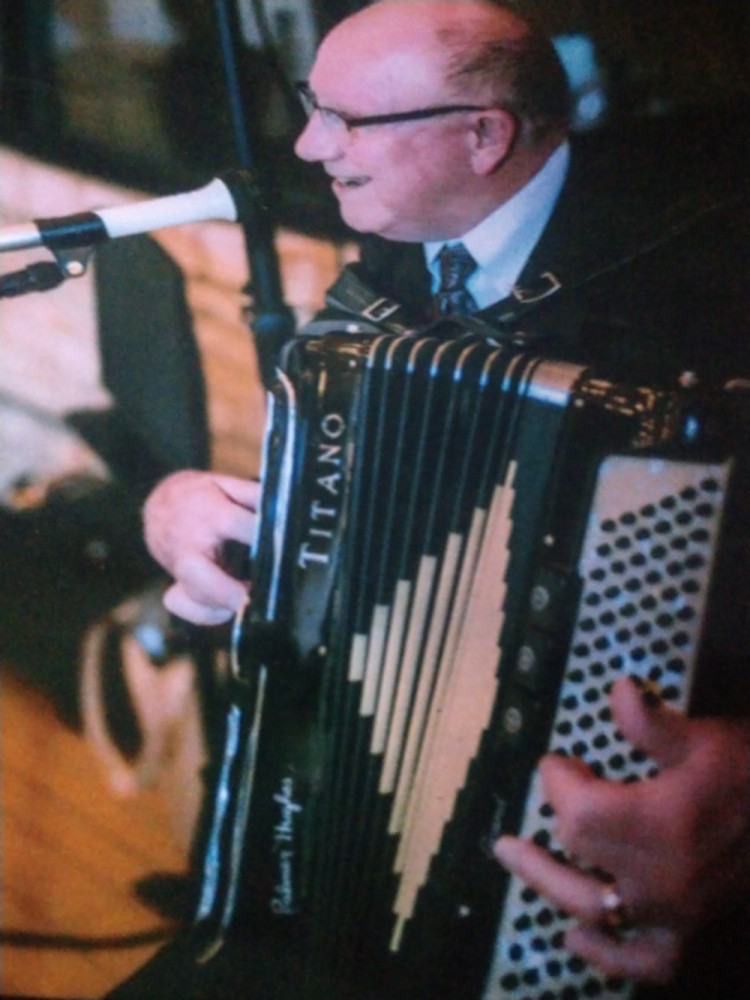
Jerry Performing with His 120 Bass Accordion

About 20 years ago Jerry shifted his music back to his family’s German roots. He formed a new band, Jerry’s Happy Wanderers, and with lederhosen, a pinned fedora, and a collection of over 30 German songs the now seasoned musician found his dance card fully booked with requests to play Oktoberfests, pubs, and special events throughout the US and Europe. He was now only one of a few remaining accordion players in the 80,000 strong American Federation of Musicians and the only one playing German music.  

Jerry is now in his 80s and intends to retire from professional music at the end of this year. We suspect you may still find him in one-man shows at the request of his family, like the snippet above from his recent gig at Two Brothers. His 60 years have brought him as much joy as the merriment he has inspired. From state fairs and festivals, river cruises and clubs, and even those sparkly Chicago high rises, Jerry has brought what is becoming a lost art to many and become one of its keepers along the way. 

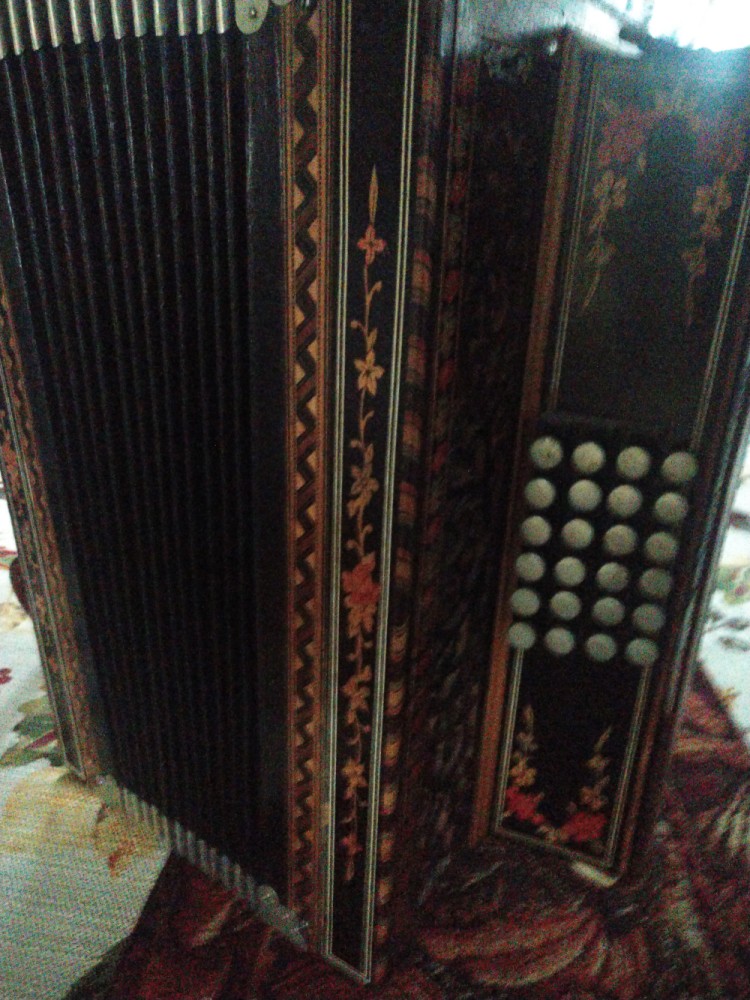
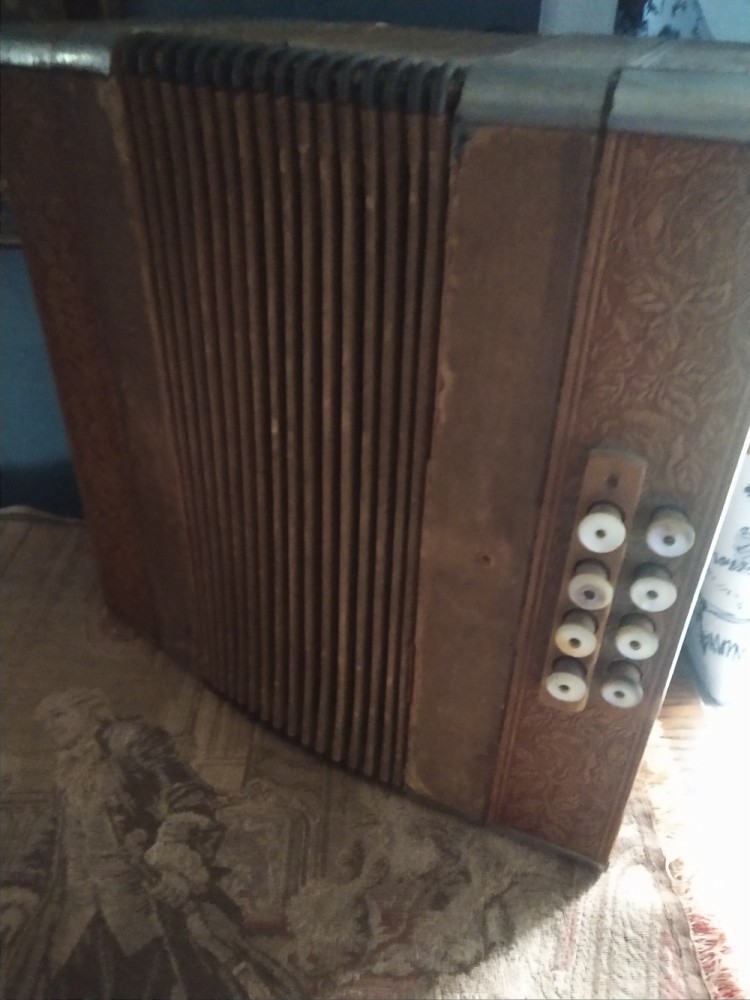
We close with a tantalizing surprise. Artifcts from Jerry’s extended private collection, which includes accordions that came into Jerry’s life from those who play no more.  

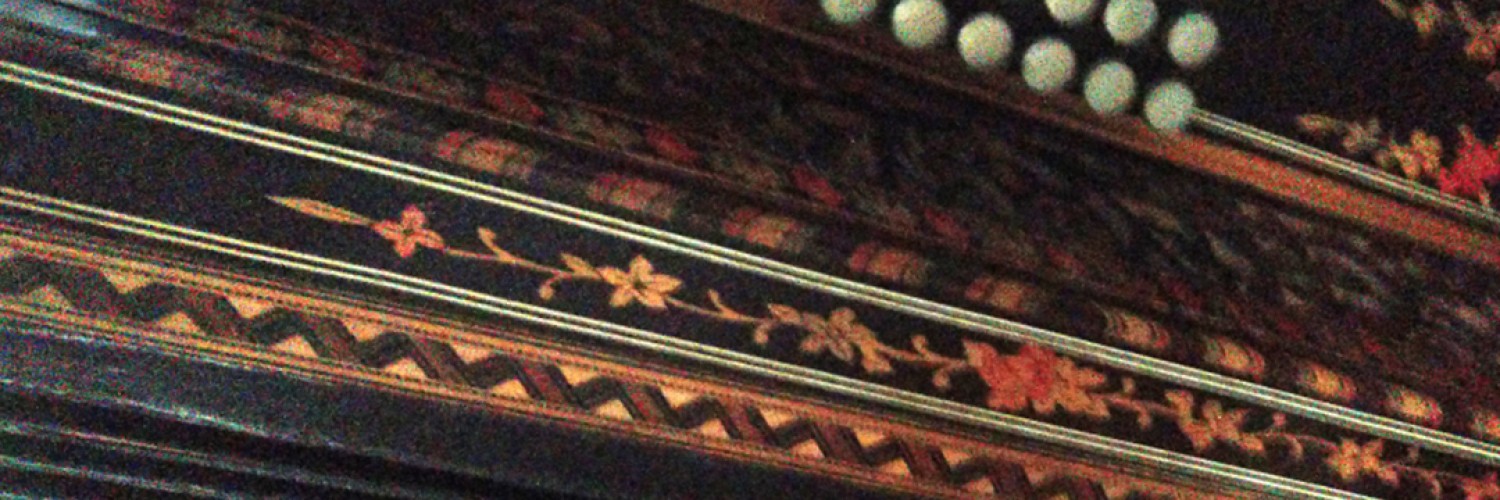
Accordion gifted to Jerry by woman dying of cancer     Accordion gifted to Jerry by couple during 65th birthday celebration

###

© 2021 Artifcts, Inc. All Rights Reserved.

Share With Friends
5 likes
What's New at Artifcts
What Should You Do With Your Old Wedding Dress? Preserve the Memories Before They Fade

For many families, a wedding dress is far more than fabric, lace, and beads. It's a symbol of one of life's most meaningful milestones—a day filled with love, hope, family traditions, and unforgettable memories. 

Today, a growing trend has breathed new life into wedding dresses tucked away in closets and preservation boxes: daughters trying on their mothers' wedding gowns. The big reveal has become a cherished moment all its own. Sometimes the dress fits perfectly. Sometimes it sparks laughter as fashion trends from decades past make an appearance. And sometimes it inspires a daughter to wear the gown herself, whether exactly as it was or with a modern update. 

These emotional moments remind us that a wedding dress carries much more than its stitches and seams. It carries stories. But after the photos are taken, the reveal is over, and perhaps even the next wedding has come and gone, a question remains: What should you do with your old wedding dress? 

The Challenge of Preserving a Wedding Dress 

Many people carefully store their wedding dresses for years, believing they are protecting an important family heirloom. Yet even with professional preservation, no textile lasts forever. 

Fabrics can yellow. Delicate lace can weaken. Beading can loosen. Storage conditions, humidity, temperature fluctuations, and even time itself can gradually alter the dress. And if a flood, fire, accident, or unexpected move damages the gown, it may be impossible to replace. 

The reality is that while the dress is precious, the memories connected to it are even more valuable. 

The reality is that while the dress is precious, the memories connected to it are even more valuable. 

Who helped you choose it? What did it feel like to put it on that morning? What stories unfolded during the ceremony and reception? What did your parents, grandparents, siblings, and friends say about the day? 

Those memories are often far more vulnerable than the dress itself. 

Beyond Physical Preservation. Preserve the Story 

While many families focus on preserving the physical garment, fewer take steps to preserve the stories that make the dress meaningful. 

Imagine future generations opening a wedding dress box decades from now. Without context, they may admire the craftsmanship or laugh at the fashion trends. But what if they could also hear the story behind it? 

What if they knew: 

  • Why this dress was chosen over all the others?
  • Who accompanied the bride during dress shopping?
  • What family traditions were woven into the wedding day?
  • Which photos captured the happiest moments?
  • What happened before, during, and after the ceremony? 

These are the details that transform an old dress into a family treasure. 

Artifcts for the Win! 

This is where Artifcts comes in. Rather than relying solely on the physical dress to carry your memories forward, you can create an Artifct that captures the entire story behind it. 

Upload photos from the wedding day. Add video snippets. Record personal reflections. Include stories from family members. Document the history of the dress itself, whether it was purchased new, altered from a family gown, or passed down through generations. 


The wedding dress becomes the starting point for preserving something much larger: the memories, emotions, and family connections that surround one of the most important days of your life. 

An Artifct ensures that even if the dress fades, becomes damaged, or is eventually passed along, donated, repurposed, or no longer exists, the story remains intact. 

A Legacy That Lasts 

Wedding dresses are often stored away with the hope that someone, someday, will appreciate them. But the true legacy isn't the dress itself; rather, it's the story of the person (or people) who wore it, danced in it, and built a life together after the wedding day ended. 

The next generation may or may not treasure the gown. They may enjoy trying it on for a memorable reveal. Or they may decide it's not for them at all. Either way, the memories shouldn't depend on the survival of a piece of fabric. 

Artifct your wedding dress today. Capture the photos, preserve the stories, and share the memories with family members now and for generations to come. A wedding dress may not last forever, but with Artifcts, the story behind it can. 

###

© 2026 Artifcts, Inc. All Rights Reserved.
Read more
Bring Your Family Tree to Life With Our Tips

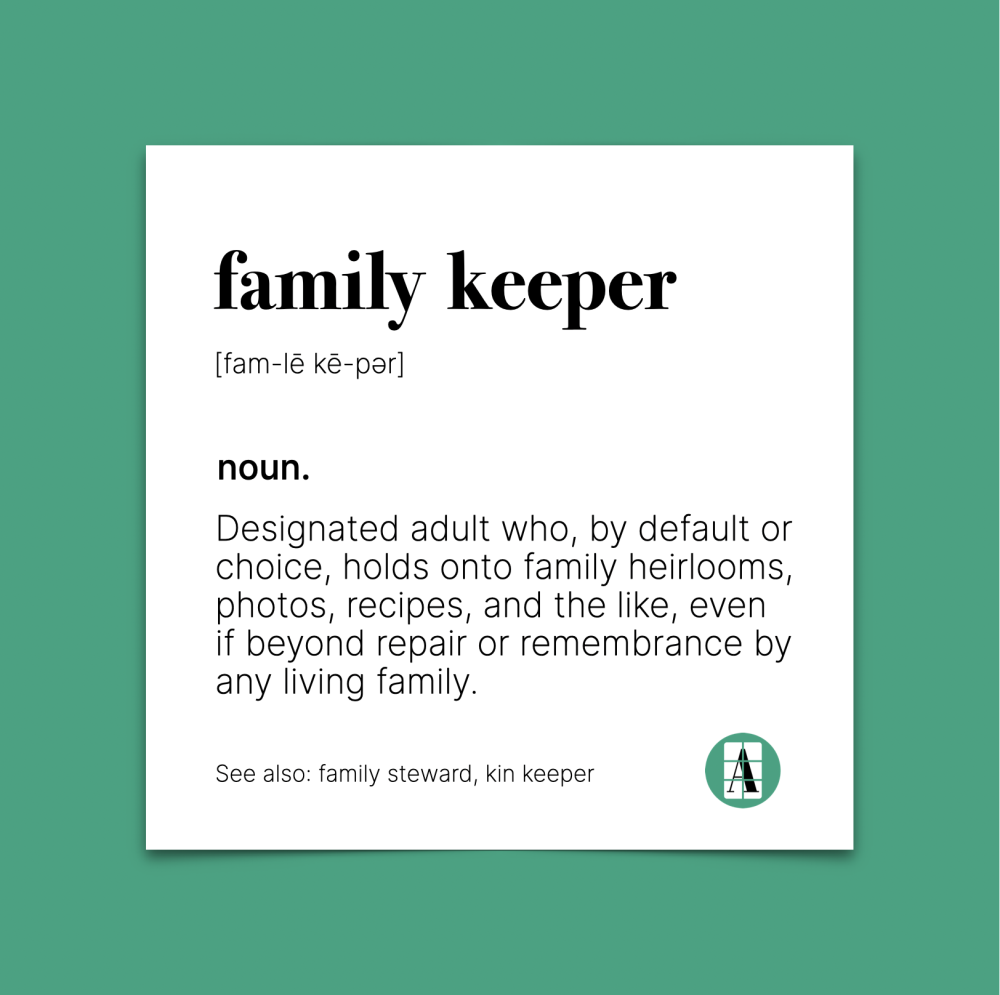
You know the expression, "If a tree falls in the woods and no one is around to hear it, does it make a sound?" Well, we wonder, if you connect all the dots of your family history and no one knows about it, did it happen? 

Today's ARTIcles story is all about how we can share our family history so that the content and the message, aka stories, are actually received. To set the stage, we're sharing the inspiration for this article, a message from a woman we'll call Susan, who is a hobbyist genealogist, and who we think is not alone in her frustration. She reached out to us via Facebook Messenger back in March with a humourous headline: "True Story: My Family Refuses to Look at My Family Tree."

Here's a rough summary of what Susan had to say about her frustrations in trying to share family history with her relatives:

“My parents and siblings ask me for historical details about our family all the time.  

  • When was that again that they came over from France? And what part of France was it?  
  • Do you have a photo of Great Grandpa {last name}?  
  • Did we have any {bank robbers, poets, craftsmen, ... } in the family? 
  • Is the family burial plot in {city} the only family plot? 
  • Did anyone in our family serve in {name of war}? 

And I have come to realize I have no great way of sharing my findings with my family because they refuse to create accounts and sign into any of the genealogy software systems I use.

I’m in my late 50s and many of my siblings and in-laws are a lot older than me, so maybe technology is a factor. But I think it’s more that they simply want the answer, not what they see as the gory black and white details we genealogists love.

That said, even with the younger ones, the nieces and nephews, the second I flash a family tree or mention “Your great grandpa on your mother’s side… ,” they zone out.

That means I usually end up sending information by text message and email. But then they lose that quickly and it doesn’t get shared with everyone, so I have to repeat this work over and over again. It takes the joy out of it.

_________________

Better Options than Text, Email, or Intimidating Websites to Share Family History 

There are so many options available to help you share your family history discoveries, all those dots you’ve connected, black and white facts found, that will save your sanity and keep your family better connected with their history now and long into the future.  

Stick with links.* Share website links to directly relevant pieces of a family tree, photos, or documents that you might have in MyHeritage, Ancestry, FamilySearch or the like to prioritize your time and sanity. Like Susan, this is where you are comfortable operating. If they are truly interested, they can follow the simple steps to create an account. And there is usually a free option for them to do so. If that’s not the case, tell them the price and/or tell them how to sign up at a discount if you know there is a free trial period, a discount code available, or a sale coming up. Since you so kindly sent them a link, they won't have to dig - you'll guide them to exactly where the answer awaits.

Grant access to your cloud storage.* If you keep your research in a cloud-based system (like Google Drive, DropBox, Box etc.), give family members permission to view specific folders or bits of information that answer their questions, such as photos, documents, and maps. This simple approach is still better than losing things in email or text.

And please plan for the transfer of your digital genealogy assets upon death in your estate plan so all these family history treasures can be passed on to the next generation. 

* Remember that anyone can share a link but granting permission to access what that link leads to may require another step. So, with either of these first two options you may get others coming to you to request access to the same information because someone gave them the link. 

Scan the photo or document, and Artifct That! There are many great app- and desktop-based options out there to scan a picture or document that you as the family keeper may be holding onto, such as the “Notes” app on many phones or the Photomyne subscription app. If you’d like assistance digitizing media, you can hire a professional photo manager, pop into a local shop that specializes in digitization and/or archival preservation, or check local libraries and genealogy centers for digitization resources, like the Vivid-Pix scan stations.

Scan those photos and docs and then do not let them get lost in text messages or 100s of photos back in a folder.

Artifct in the moment where you can then record the story and details and share with your loved ones before moving on to the next piece of the puzzle. But share where? You can ...

... Create Artifcts Circles. You can create as many Artifcts Circles, with as many people in them, as you like, for free. Think of circles like chat groups – anyone who accepts your invite can then share their Artifcts to the circle, too. You can even name another admin to add/remove people, too. People you invite need only to create a free Artifcts account to accept your Circle invitation and create and share up to five free Artifcts with the Circle, too!  

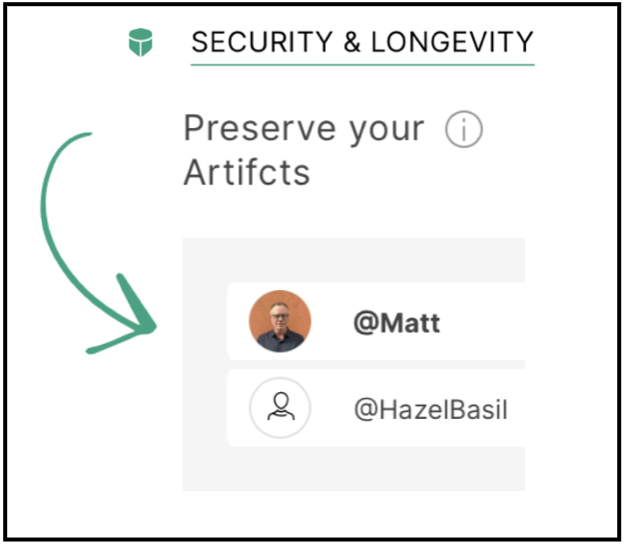
      • Sharing your stories and discoveries with Circle members means you are no longer the single point of failure or truth. Everyone will have access anytime, anywhere. But again, make sure in you've listed your primary and secondary legacy contacts in your Artifcts account settings so your Artifcts can live on. 
      • And you can crowdsource with Artifcts Circles, too. Have a gap you’re trying to fill in the tree? Wishing you had more family heirlooms, photos, or documents to back up your research? When people and estates are dispersed through time, it’s easy to forget who has what that may help to fill those gaps.  
      • Ask family to Artifct and share with the Circle. Yes, it may be more family lore than history or genealogy, but the lore is often equally as valuable to any facts you have collected. Lore is the character and color of the family history that has survived and can provide clues along your way – Artifct that! Get step-by-step details and inspiration for family circles here >

Have Fun Preserving and Swapping Stories

Next time you and your family get together, pick a theme in advance, and ask everyone to contribute to an Artifcts Circle.  

Among our favorites:  

  • Oldest family photo 
  • Favorite heirloom 
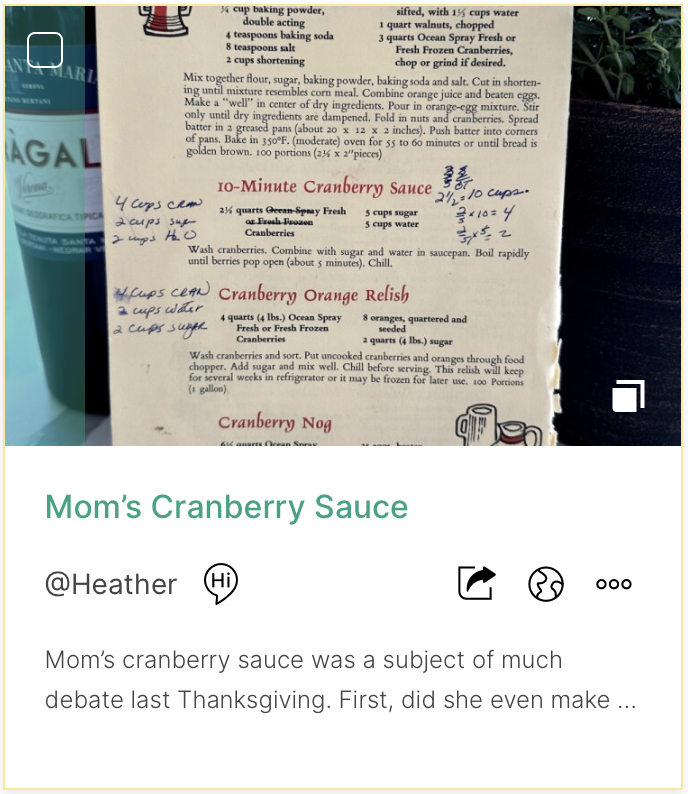
  • Secret/not-so-secret family recipe

Suggest everyone use the same tag for instant sorting of the Artifcts in the Circle to see just those created for this activity, e.g. #GreatGram, #Reunion2026, or #FavoriteRecipes.


Using a custom tag such as #GreatGram makes sorting and sharing her treasures as easy as 1-2-3!

What Truly Matters

When you think about it, a family tree is really just the beginning. The real magic happens when you add the stories behind the names — the recipes everyone still argues about, the mystery photos no one can identify, the “remember when…” moments that somehow get funnier every year, and yes, even Great Uncle Bob’s questionable fashion choices.

So don’t aim for “perfect” family history. Aim for living history. Share the voice notes, save the handwritten cards, digitize the holiday snapshots, and ask one more question at the next family gathering. Every little memory adds another branch, leaf, or colorful twist to your family story.

And who knows? One day, future generations may look back and laugh lovingly at our hairstyles, social media posts, and obsession with taking pictures of dinner.

That’s the beauty of preserving family history: it keeps growing, evolving, and surprising us — one story at a time.

###

© 2026 Artifcts, Inc. All Rights Reserved.
Read more
Goodbye School Year, Hello Storage Crisis

The last school bell rings, backpacks explode by the front door, and suddenly your house is overflowing with kid “stuff.” Crumpled artwork. Half-used notebooks. Science fair boards. Recorder instruments. Team shirts. Yearbooks. Awards. Mystery cords. And somehow…47 pencils. 

The end of the school year has a way of turning kitchens, mudrooms, and dining tables into temporary museums of childhood. Some of it is practical. Some of it is sentimental. And some of it leaves you staring into a pile wondering, “Wait, why did we save this again?” 

If that sounds familiar, you are not alone. At Artifcts, we often say it’s not about the object—it’s about the meaning behind it. The tricky part with school keepsakes is that they arrive in waves, year after year, often faster than we can process them. One day your child proudly hands you a macaroni self-portrait, and the next thing you know you have six overflowing bins labeled “school memories.” 

The good news? You do not need to keep everything to preserve what matters most.  

What To Do with All That School Stuff 

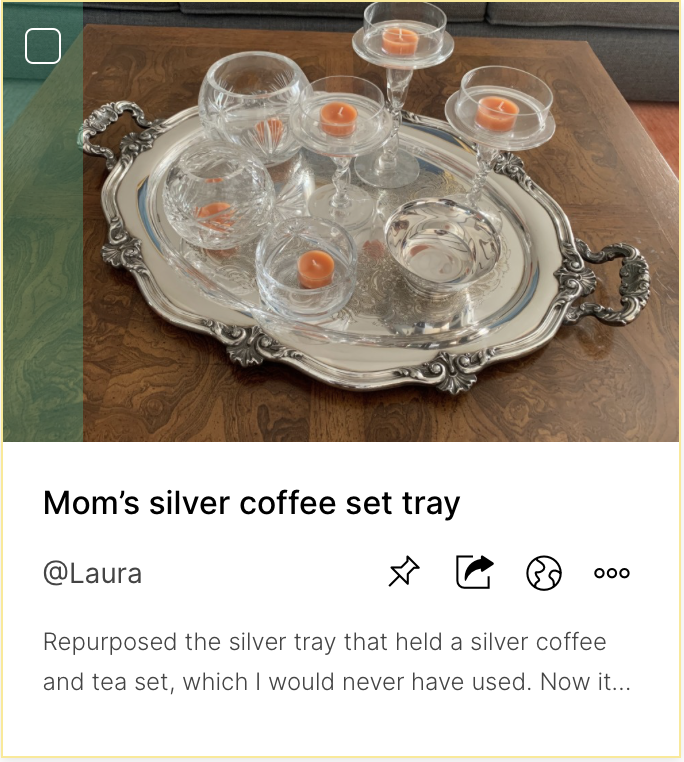
School memorabilia falls into the same category as sports memorabilia, baby items, and family keepsakes: emotionally important, physically bulky, and surprisingly difficult to sort through. The goal is not perfection. The goal is to curate thoughtfully, so the memories survive without your closets disappearing in the process. 

Here are a few ways to tackle the end-of-school-year avalanche. 

Start with the “Greatest Hits.” Not every worksheet deserves permanent storage. But certain items instantly bring back a story, milestone, or stage of childhood. 

Keep an eye out for: 

  • Firsts (first handwriting sample, first school photo, first big project)
  • Personal favorites chosen by your child
  • Artwork that reflects personality or growth
  • Awards or achievements tied to meaningful moments
  • Notes from teachers or classmates
  • Items connected to funny family stories 

Think of yourself less as a storage manager and more as a curator of your child’s story. 

Think of yourself less as a storage manager and more as a curator of your child’s story. 

One meaningful drawing with context often matters more than 200 anonymous papers in a plastic bin.  

Create a “School Year Capsule” 

Instead of endlessly adding to random piles, create a simple system: 

  • One bin per child
  • One folder per school year
  • One digital album for photos and scans
  • One Artifct for especially meaningful items 

This naturally creates boundaries. When the folder fills up, it becomes easier to decide what truly matters most. 

Some families even involve kids in the process by asking: 

  • What are your top 5 favorites from this year?
  • Which project are you most proud of?
  • What would future-you want to remember? 

You might be surprised by what they choose. 


Artifct Before You Let It Go 

Some school items are impossible to keep forever. Poster boards bend. Paint flakes. Glitter somehow multiplies. And eventually, even the most sentimental parents hit a storage limit. 

Before tossing or donating something meaningful: 

  • Take photos
  • Record a quick story or memory on the Artifcts App
  • Add context: who, what, when, where, and why
  • Include your child’s own words if possible 

That is where Artifcts can help transform clutter into preserved memories. A photo of a papier-mâché volcano becomes far more meaningful when paired with the story about staying up until midnight adding lava because “it needed to erupt properly.” 

Without the story, future generations may just see cardboard and glue.  

Tackle the Digital School Clutter Too 

School “stuff” is no longer just physical. Today’s parents also accumulate: 

  • Thousands of school photos
  • Classroom app downloads
  • Concert videos
  • Screenshots from teacher messages
  • PDFs of report cards and projects 

And unlike paper clutter, digital clutter quietly expands without anyone noticing. 


One helpful strategy: dedicate 15 minutes each week to sorting school-related photos and files. Save the meaningful ones, delete duplicates, and Artifct the memories that deserve a lasting story.  

What About the Stuff Kids Don’t Want? 

Eventually, many kids outgrow their attachment to trophies, certificates, uniforms, and projects. Parents are often the ones holding on longest. 

Online decluttering communities are full of parents asking the same question: “Will they regret letting this go someday?” The answer is usually less about the object itself and more about whether the memory survives.  

If an item no longer holds meaning: 

  • Donate usable school supplies
  • Pass along gently used backpacks and lunch boxes
  • Recycle old papers and broken projects
  • Repurpose trophies or awards creatively
  • Save only representative examples instead of entire collections 

You are not erasing childhood by letting go of excess stuff. You are making room for the memories that matter most. 

Preserve the Story, Not the Pile 

Every school year tells a story of growth: changing handwriting, evolving interests, new friendships, proud moments, disappointments, creativity, resilience, and discovery. 

The challenge is not whether those memories matter. Of course they do. The challenge is making sure the meaning survives longer than the clutter. 

Because years from now, your child probably will not remember every worksheet or participation ribbon. But they may cherish the story behind the ceramic pizza slice they made in first grade or the essay they wrote about becoming a veterinarian. 

And that story? That is worth keeping. 

###

© 2026 Artifcts, Inc. All Rights Reserved.
Read more
Your privacy

This website uses only essential cookies to provide reliable and secure services, streamline your experience, allow you to share content from this website on social media, and to analyze how our Site is used. Learn more about these cookies and cookie settings.

Accept & Continue
Oops! This Web Browser Version is Unsupported

You received this warning because you are using an unsupported browser. Some features of Artifcts will not be available or will be displayed improperly until you update to the latest version or change browsers.

Close
Image for unsupported banner Oops! This Web Browser is Unsupported

You received this warning because you are using an unsupported browser. Some features of Artifcts will not be available or will be displayed improperly until you update to the latest version or change browsers.

Unsupported banner close icon Close