Give the gift small icon
Give the gift of Artifcts!
HELLO!
Give the gift big icon
Give the gift
of Artifcts

The perfect gift for the person
in your life who has everything.

Give a gift Close

What Should I Do With a Family Heirloom I Don't Want? 

October 14, 2026

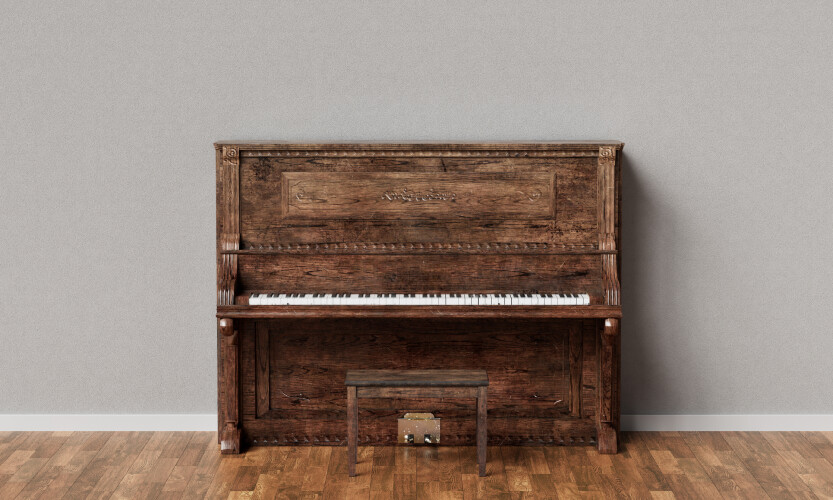
There it is. The silver tea set your grandmother brought out for special occasions. The china your parents received as a wedding gift. The grandfather clock that's been in the family for generations. Or perhaps it's a piece of furniture, a collection of figurines, or a box of family treasures you inherited without ever asking for them. 

You know these things matter to someone. Maybe they mattered to the person who owned them, or perhaps other family members have always assumed they would stay in the family. You may even remember the stories attached to them. 

But here's the thing: You can love your family, cherish its history, and appreciate an heirloom's significance without wanting to own the object yourself. 

As we accumulate belongings, inherit them, downsize, or help loved ones navigate a move, we're often faced with a difficult question: What should we do with the things we don't want but don't feel comfortable getting rid of? 

At Artifcts, we believe the answer starts with separating the story from the stuff. The history, memories, and meaning behind an heirloom can live on, even when the physical object moves on to someone else. 

So before you tuck that heirloom back into a box, leave it on a shelf out of obligation, or quietly wonder whether it's okay to let it go, let's explore your options. 

First, Give Yourself Permission to Let Go 

Let's get this out of the way: You are not obligated to keep every family heirloom you inherit. Read that again if you need to. 

Family heirlooms can carry enormous emotional weight. They remind us of people we love, connect us to our childhoods, and give us a tangible link to generations who came before us. Sometimes, though, they also come with expectations, guilt, and a sense of responsibility that can be difficult to untangle. 

Perhaps your mother always said her china should stay in the family. Maybe your siblings assume you'll take the family furniture because you have the biggest house. Or perhaps you're the person everyone turns to when it's time to sort through a parent's belongings. 

It's easy to become the family keeper by default. 
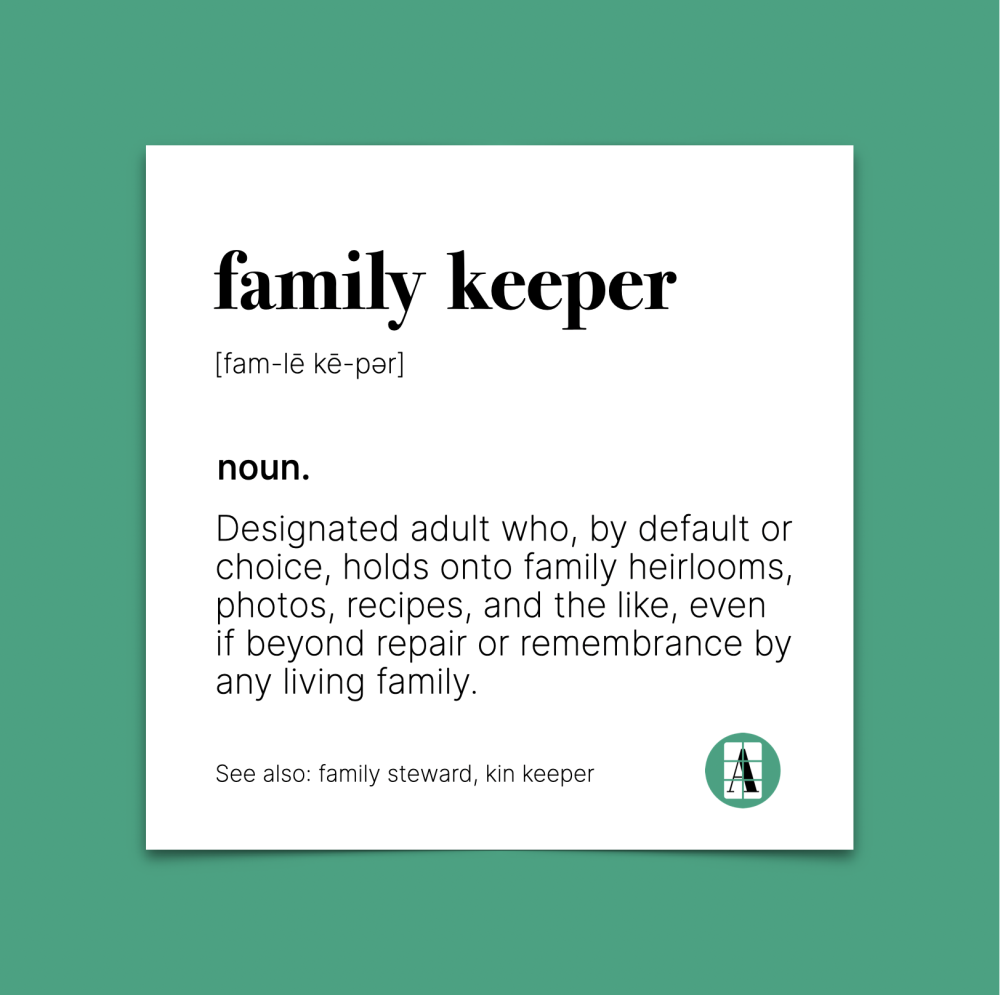
But being a good steward of your family's history doesn't mean becoming the permanent storage facility for everything it contains. 

Instead, try asking yourself a few questions: 

  • Do I genuinely enjoy owning or using this item?
  • Does it hold personal meaning for me, or do I feel obligated to keep it?
  • Do I have the space, time, and resources to care for it?
  • Would I rather preserve its story than keep the physical object?
  • Is there someone else who might treasure it more than I do? 

Your answers can help you decide what comes next. And remember, you don't have to make every decision immediately. It's perfectly reasonable to set an heirloom aside while you learn more about it or talk with family members. 

The goal isn't to get rid of things as quickly as possible. It's to make thoughtful decisions about what deserves a place in your life—and what might be better off somewhere else. 

Before You Pass It Along, Capture Its Story 

One of the biggest mistakes we can make with family heirlooms is assuming that the object's story will always be known. 

That rocking chair? Your great-grandfather built it for your grandmother when she was expecting her first child. Those serving dishes? They came out every Thanksgiving, and everyone knew which one held the cranberry sauce. That old watch? It belonged to a family member who wore it every day for decades. 

These details are what transform an ordinary object into a family heirloom. Without them, future owners may see only a chair, a dish, or a watch. The connection to the people and experiences that made it special can disappear. 

That's why we encourage you to Artifct the heirloom before you decide what happens to it next. 

Here's how to get started: 

  1. Take a few photos. Photograph the entire object, along with any distinctive details, inscriptions, maker's marks, or signs of wear that help tell its story.
  2. Record what you know. Who owned it? How did it enter the family? Was it purchased, handmade, gifted, or inherited? When and how was it used?
  3. Capture the personal details. What do you remember about the person who owned it? Was there a tradition associated with it? Did someone have a favorite story about it? Don't worry about getting every detail right or knowing the whole history. Start with what you know.
  4. Invite others to contribute. A sibling might remember a detail you've forgotten. A cousin might know who originally made the item. Share your Artifct and invite family members to add their memories. 

You may discover that the process of documenting an heirloom makes it easier to let go. Once its story is captured and shared, you can feel more confident that you're preserving what matters—even if the physical item no longer lives in your home. 

And if you discover that the story is incomplete? That's an opportunity to ask questions while the people who know the answers are still here. 

Who in the Family Might Want It? 

Before you donate, sell, or otherwise part with a family heirloom, give relatives the opportunity to express interest. To avoid those guilt-laden requests that soon turn into obligations, start by sharing a little of its story. Explain why it mattered to its previous owner and ask whether anyone would genuinely like to have it. 

You might say: 

“I'm making some decisions about Grandma's belongings, and I'd love for this tea set to go to someone who would enjoy having it. It was something she used during the holidays. I've captured a few photos and memories, too. Would anyone like to have it? There's absolutely no pressure if it's not right for you.” 

That last part matters. Your relatives may have their own space limitations, tastes, and inherited belongings to manage. They may cherish the memory of your grandmother without wanting her tea set. That's okay, too. 

A few things to keep in mind: 

  • Give people time to respond. Not everyone will be ready to make a decision right away, especially after a loss.
  • Share the story, not just a photo of the object. Context can help someone recognize why they'd want it.
  • Be clear about the practicalities. A large piece of furniture or fragile collection may require transportation, storage, or special care.
  • Agree on a plan. If several people want the item, talk through a fair way to decide who receives it.
  • Set a reasonable deadline. You can be compassionate while still moving forward with your own plans. 

And if nobody wants it? You have not failed your family. You've given people a chance to keep it, and you can now explore other ways to honor its history. 

What If No One in the Family Wants It?

You've asked. You've shared the story. And no one has raised a hand. Now what?

The good news is that you have options. The right one depends on the type of heirloom, its condition, its potential value, and whether its history connects to something beyond your immediate family.

Option 1: Find a New Home for It

Sometimes, the best thing you can do for an heirloom is find someone who will appreciate it in a new way. Consider reaching out to:

  • Friends and extended family. Someone outside your immediate family may have a connection to the item or simply love its style.

  • Community organizations. Schools, theaters, historical societies, and community groups may be interested in certain objects for their programs or collections.

  • Collectors and enthusiasts. Specialized online communities can connect you with people who appreciate particular types of antiques, vintage items, or collectibles.

  • People who can use it. Furniture, household goods, tools, and other practical items may be useful to someone setting up a home or starting a new chapter.

When possible, include the item's story when you offer it. A piece of furniture might be more appealing when its new owner learns who built it. A set of dishes might become more meaningful when someone knows they were used for decades of family celebrations.

And don't overlook the possibility of giving the item away. You may find more satisfaction in knowing someone will enjoy it than in trying to recover its monetary value.

Option 2: Donate It to an Organization That Can Preserve Its History

Some family heirlooms have significance beyond the family itself.

Perhaps your great-grandfather's military papers document an important chapter in local history. Maybe your grandmother's journals reveal something about life in a particular era. Or perhaps your family has photographs, letters, business records, or objects connected to a community, profession, or historical event.

Consider contacting a local historical society, museum, library, university archive, or other institution with a relevant collecting focus.

A word of caution: Not every organization can accept every item. Museums and archives typically have specific collection priorities, and they may decline items that fall outside their scope. Contact the institution first, explain what you have, and share any known history or documentation.

If an institution is interested, ask about its donation process and any paperwork needed to document the transfer.

Before you part with the item, create an Artifct with photographs, relevant documents, and the story as you know it. Share it with family members so they can retain a connection to the item even if the physical object enters a public collection.

Option 3: Sell It

Let's talk about money. Some heirlooms have significant monetary value. Others are valuable primarily because of the memories attached to them. And sometimes, what looks like a priceless antique turns out to have a surprisingly modest resale value.

If you think an item may be valuable, do a little research before selling it. Depending on the object, you might consult a qualified appraiser, an antiques dealer, a reputable auction house, or a specialist in that category.

Keep in mind that an item's age alone doesn't determine its worth. Condition, rarity, maker, provenance (its documented history of ownership), and current market demand can all play a role.

If you decide to sell, consider how you'd like the item to be used or appreciated by its next owner. You may also want to preserve photographs, records, and stories before the sale so the history doesn't disappear with the transaction.

And if the heirloom has both financial and sentimental value, take a moment to consider whether you're comfortable letting it go. You don't have to sell it simply because someone has told you it's worth money.

Option 4: Repurpose or Reimagine It

Sometimes, an heirloom can have a second life without remaining exactly as it was.

A collection of embroidered linens might become a quilt. A few meaningful pieces of jewelry might be incorporated into a new design. A well-loved piece of furniture might be refinished and put to use in a different home.
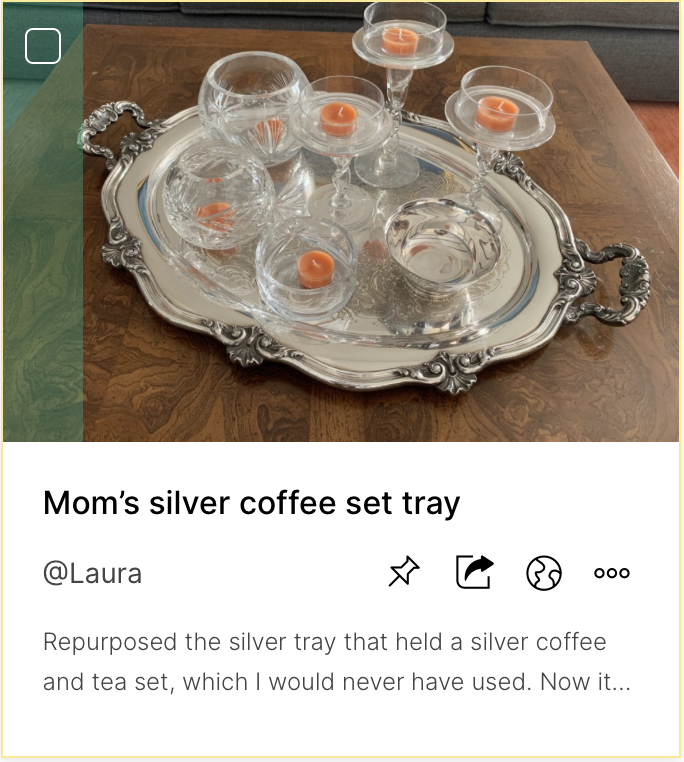


Of course, not every heirloom lends itself to repurposing, and altering an object can permanently change its character or value. If the item is rare, historically significant, or potentially valuable, seek expert advice before making changes. 

Option 5: Recycle or Dispose of It Responsibly

Not every heirloom can be sold, donated, or repurposed. Some items are damaged beyond repair, and others simply aren't suitable for another owner. If that's the case, it's okay to let them go.

Before throwing something away, consider whether any components can be recycled or whether a local organization accepts the materials. For items containing hazardous substances or requiring special handling, follow the appropriate local disposal guidance.

If the item has meaning for you, take photographs and record its story before you part with it. That way, the memory doesn't have to disappear simply because the object does.

What About Heirlooms With Significant Monetary or Historical Value?

A quick but important note: Before disposing of or transferring an heirloom, take time to understand what you have.

If an item may be an antique, a valuable collectible, a work of art, or an object with historical significance, consider obtaining a professional opinion before making a decision. You never want to be THAT family member that donated a million dollar piece of art to your local Goodwill store by accident. 

Likewise, if you inherited the item as part of an estate, confirm that you have the authority to decide what happens to it. There may be estate documents, ownership questions, or other family considerations to resolve first.

And if you believe an heirloom has significant financial value, remember that an online estimate isn't necessarily the same as a formal appraisal. A little research now can help you avoid regrets later.

The Bottom Line: Keep the Story, Even If You Don't Keep the Heirloom

Family heirlooms can connect us to the people, traditions, and experiences that shaped our lives. They remind us where we came from and help us understand the generations who came before us. But the physical object isn't the only way to preserve that connection.

You can photograph an heirloom, document its history, record a loved one's memories, share those stories with family, and then decide whether the object should stay with you, move to another family member, find a new owner, or leave your home altogether.

You can appreciate an heirloom without keeping it. You can honor the person who gave it to you without carrying the burden of storing it forever. And you can preserve family history without preserving every object that comes with it.

At Artifcts, we believe it's the stories, memories, and meaning behind our belongings that make them worth remembering. That's why we encourage you to Artifct the heirlooms that matter, share their stories with the people who will appreciate them, and think intentionally about what happens next.

Happy Artifcting!

###

© 2026 Artifcts, Inc. All Rights Reserved.
Share With Friends
4 likes
What's New at Artifcts
Who Wants Your Family China?

Perhaps it was a wedding gift your parents received decades ago, a cherished set that came out for every holiday, or china passed down through generations. Whatever its history, fine china can be surprisingly difficult to part with. It takes up valuable cupboard space, may rarely be used, and can be costly and cumbersome to ship. Selling it may not bring the return you expect, and donating it isn't always as simple as dropping it off.

So, what are your options when your family china no longer fits your lifestyle? You might be surprised to discover that someone in your family would love to have it. Or perhaps keeping a few meaningful pieces, finding a creative new use for the china, or simply preserving its story is the right answer. Before you make any decisions, let's explore the possibilities—and how to honor the memories without feeling obligated to keep every plate.

Future Options for Your China Set

If your china set has fallen into disuse, think carefully through your options:

Sell

We think that for you to make the best decision, you need all the facts. If you intend to sell your china, do not expect it to be a major money maker. Better to be okay with “something is better than nothing” even if we all know there are wild exceptions out there in the world, like these ceramic plates that sold for over $25,000 at auction.

A simple online search can give you an idea of what your set is selling for in the current market. Because of shipping costs, you’re likely constrained, but for some china (because of the designer, pattern, or quality) shipping may not a barrier. You might discover a single plate will sell for $85 or $3. Check around with sites like liveauctioneers.com, eBay, Etsy, and 1stDibs.

Some online marketplaces, such as Replacements.com, buy china to then sell it off piece by piece to people who are looking for replacements for their set. But read the fine print. Some sites make quotes pending receipt of the items, and then once they receive the items, they could reduce their offer. And the price a piece sells for is going to be substantially different from what they pay you. Know this and be okay letting it go.

Family and Friends 

You really do have to ask! Do not assume that no one wants it. And whatever you do...ignore those headlines.

You might have a friend, neighbor, or loved one with a desire for your china. But avoid attaching strings to that gift. If you give away your china, and they then turn around and break up the set, transform it, or eventually get rid of it, no harm, no foul!

Keep a Few Pieces 

If you’re feeling sentimental or even guilty about letting go of something that was a part of so many family occasions or was originally expensive to purchase, holding onto a few pieces of the set might help you let go of the rest. Perhaps you keep only the tea cups, only the dessert plates, or a platter and/or serving bowl. That can sometimes be enough.

For others of you, you may decide that you need still less. A single cup can become a decoration on a shelf. Or you can use it bedside to float a candle or a single flower.

tea cup and saucer on stack of books

Donate

Donations can be difficult for china. They take up a lot of space and are naturally delicate. Call your local charities and thrift stores to see what they are interested in before you pack it up and haul it over.

Create

If you are the crafty type, we’ve seen creative options for smashing china and setting it into paver stones for gardens and pathways. Others carefully break, arrange, and 3D frame pieces for stunning and creative textual art. 

Transform

What if you could hold onto the memories without keeping the entire china set?

That's the idea behind The Brooklyn Teacup, which specializes in giving new life to meaningful family china. Through their china transformation services, you can send in a few special pieces and have them upcycled into functional serving pieces and home décor, from tiered trays to teacup candles.

Just a handful of pieces can become several gifts and keepsakes to enjoy, display, or share with family members. It's a thoughtful, feel-good way to preserve cherished memories and connections without holding onto an entire collection you may never use.

By documenting your china's history with Artifcts—who it belonged to, the memories it holds, and what makes it special—you can ensure those stories live on alongside your newly transformed heirlooms.

Artifct That! 

Regardless of what you decide to do, we recommend you Artifct that to record its history, like our co-founder Heather did for the china set inherited from her mother-in-law.

Artifcting your china, or any piece of it that you are partial to, and sharing that Artifct can open up conversations you never expected. Sharing might also help you complete the “In the future” field in your Artifct.

Here are some tips for making future plans for your china:

      • If you want that china to “Stay in the family,” make sure they understand why through the story you provide in the Artifct.  
      • If you plan to sell it, great, choose “Sell,” and set a reminder for yourself and Artifcts will email you to help keep you on schedule.  

option in Artifct form to set a reminder to sell an item 

      • If a loved one sees the Artifct and is in love with the china set, fabulous. You can indicate “Bequeath” and to whom. 
      • Already re-homed or donated it? Mark, “Too late! Already gone. Enjoy the memory.” to save your loved ones from a frustrating scavenger hunt. 

No matter your plans for your china, make them known to your loved ones, and prepare yourself to let it go to a new home. At the end of the day, it's not really about the 12 perfect place settings; it's about the love, memories, and stories behind what for some may be a beloved item. 

###

© 2026 Artifcts, Inc. All Rights Reserved.
Read more
What Should I Do with My Challenge Coins?

A promotion. A deployment. A mission accomplished. A moment of recognition from a commanding officer. A handshake with someone whose leadership left a lasting impression. 

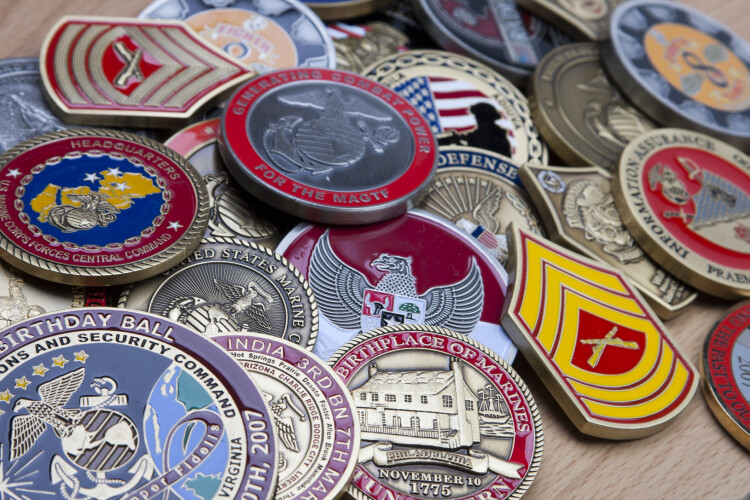
For many members of the military and intelligence communities, these moments are commemorated with something small enough to fit in the palm of your hand, a challenge coin. 

But what exactly are challenge coins, and why do they mean so much? 

According to a 2017 US Department of Defense News article, the tradition of military challenge coins is commonly traced back to World War I, although its precise origins are debated. One popular story tells of an American pilot who carried a bronze medallion bearing his squadron's insignia. After being captured and escaping behind enemy lines, the medallion helped him prove his identity to French soldiers who might otherwise have mistaken him for the enemy. Whether or not that story is entirely true, the tradition of carrying coins as symbols of belonging, pride, and camaraderie took hold. 

Over time, challenge coins became an important part of military culture. They are often presented by commanders and senior leaders to recognize outstanding service, commemorate special events, celebrate achievements, or welcome someone into a unit or organization. Some represent an entire military branch or unit, while others commemorate a particular deployment, mission, promotion, or milestone. 

And here's what makes them so special—no two collections necessarily tell the same story. 

As we recognize Veterans Day, it's worth remembering that our military members serve our country day in and day out. Their sacrifices, accomplishments, friendships, and experiences are woven into the fabric of our nation's history. Yet so many of their stories go unnoticed or untold. 

Challenge coins offer a wonderful starting point for changing that. They're more than collectible pieces of metal. They're tangible reminders of the people, places, experiences, and moments that shaped someone's military journey. 

So, if you have a collection of challenge coins tucked away in a drawer, displayed on a shelf, or sitting in a box waiting to be rediscovered, let's talk about what to do with them—and, more importantly, how to preserve the stories behind them. 

Why Challenge Coins Are So Much More Than Coins 

At first glance, a challenge coin might look like a small, decorative token. But ask the person who received it, and you'll quickly discover there's often a lot more to the story. 

Unlike traditional medals or military decorations, challenge coins are frequently given as personal gestures of appreciation and recognition. They may commemorate a successful mission, acknowledge exceptional performance, mark a promotion, or simply recognize someone who went above and beyond. 


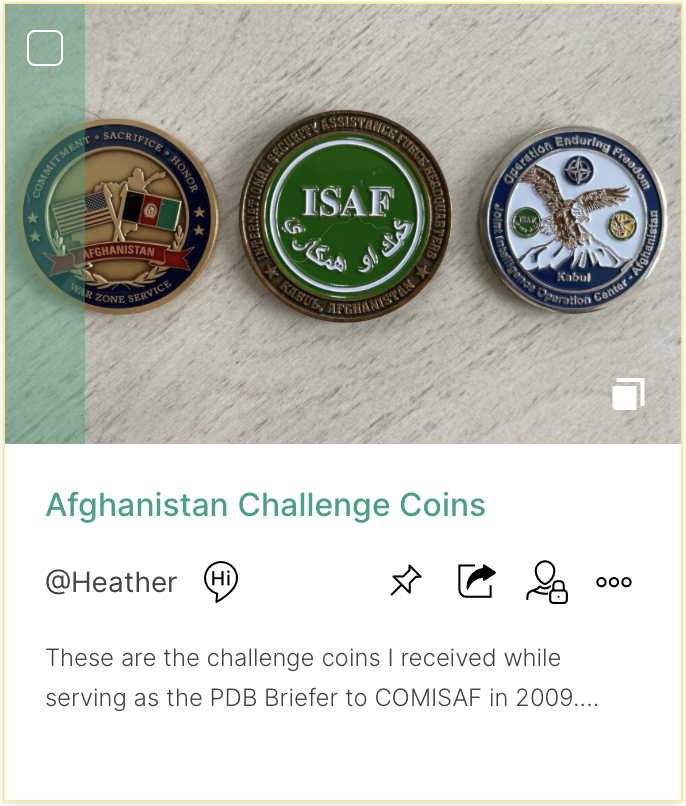
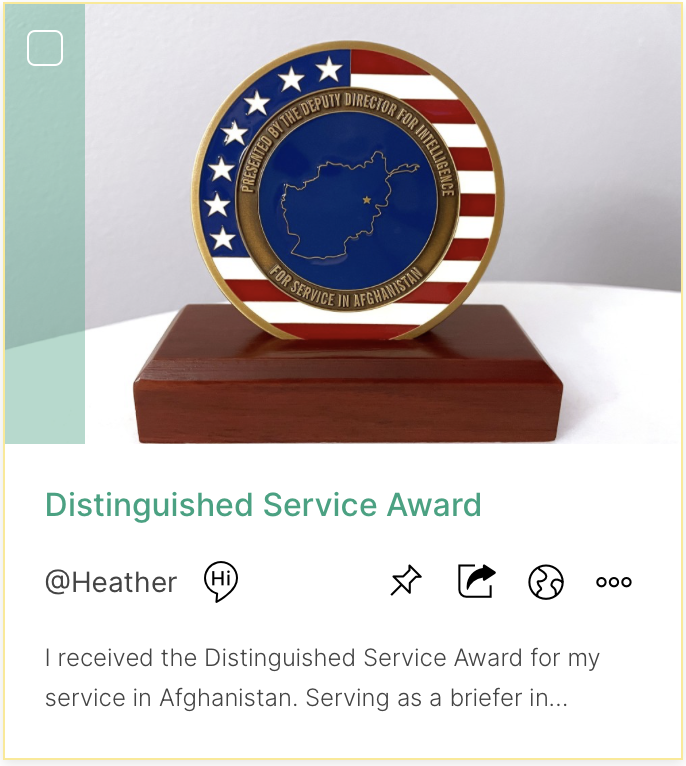
Challenge coins our co-founder Heather received for her service in Afghanistan. Sorry, this Artifct is private!

Some are given by commanding officers. Others are exchanged between service members, presented during ceremonies, or collected during visits to different bases and installations. 

And sometimes, the most meaningful coin isn't the one from the highest-ranking official or the most prestigious assignment. It's the one that reminds someone of a friend, a particularly challenging experience, or a moment when they realized just how much their service mattered. 

But here's the catch, over time, the coin stays...while the story can fade. 

Your children or grandchildren might discover a beautiful coin bearing an unfamiliar insignia. They might recognize the branch of service but have no idea what the coin represents, who presented it, or what was happening in your life when you received it. 

Without context, a meaningful piece of military history can become just another unidentified object in a drawer. 

At Artifcts, we believe it's not about the object. It's about the meaning. And challenge coins? They're packed with meaning. 

Step 1: Curate Your Collection—You Don't Need to Keep Every Coin 

If you've served for several years, or even decades, chances are you have accumulated quite a collection. And if you're helping a parent, spouse, or other veteran organize their belongings, you might be surprised by just how many coins they've collected along the way! 

The good news? You don't have to preserve every single one to preserve your story. 

Start by spreading out your collection and taking some time to revisit each coin. Look for the ones that represent particularly meaningful moments in your life. 

Consider prioritizing: 

  • A first: Your first unit coin, first deployment coin, or first coin received from a commanding officer.
  • A major milestone: A promotion, graduation, retirement, or completion of a significant assignment.
  • A special recognition: A coin presented by someone whose leadership, mentorship, or friendship made a difference in your life.
  • A defining experience: A coin commemorating a deployment, mission, humanitarian effort, or particularly challenging chapter of your service.
  • A meaningful relationship: A coin exchanged with a fellow service member, friend, or colleague who became an important part of your life. 

Step 2: Capture the Story Before It's Lost 

Here's where the magic happens. A challenge coin without its story is just an object. But a challenge coin with its story becomes a lasting piece of personal and family history. 

Think about it, what would your grandchildren learn if they could hear the story behind every coin in your collection? Before those details fade, take a few minutes to document them. 

Here are some questions to get you started: 

  • Who gave you the coin? Was it a commanding officer, fellow service member, or someone else?
  • When and where did you receive it?
  • What was happening in your military career or personal life at the time?
  • What does the insignia, emblem, or design represent?
  • Was the coin connected to a particular mission, deployment, promotion, or accomplishment?
  • What did receiving it mean to you? 

And don't stop at the official story. 

Maybe you received a coin after a particularly difficult deployment. Maybe it reminds you of the people who had your back when things got tough. Perhaps it came from a leader who recognized something in you that you hadn't yet recognized in yourself. 

Those are the details your family will want to know. 

Pro Tip! Don't worry about writing a perfect military history. A few sentences, a voice recording, or even a short video telling the story in your own words can make all the difference. Your voice, your perspective, and your memories are what make the story uniquely yours. 

Step 3: Photograph Your Coins and Preserve the Details 

Challenge coins are often beautifully designed, with intricate artwork, lettering, insignias, and symbols. Some are colorful, some are engraved, and others feature elaborate designs that commemorate a particular unit or event. 

When documenting your coins, be sure to capture: 

  • The front and back: Both sides may contain important details, including unit insignias, mottos, dates, names, and commemorative artwork.
  • The edges: Some coins have unique engravings or markings along the edges.
  • Any accompanying materials: If you have a presentation box, certificate, letter, or photograph associated with the coin, photograph those, too.
  • The collection as a whole: Take a photograph of your entire collection. The arrangement itself might tell a story about the progression of your military career. 

Pay attention to the small details. A date or insignia that seems obvious today may be difficult for someone else to interpret decades from now. 

One more thing—if your coins relate to sensitive assignments or operations, be thoughtful about what you share publicly. You can preserve the story privately without disclosing information that shouldn't be shared. 

Step 4: Decide What Stays (and What Goes) 

Once you've documented your coins and captured their stories, deciding what to do with the physical collection becomes much easier. 

Here are a few options to consider: 

  1. Display Your Favorites

Challenge coins deserve better than a forgotten drawer! Consider displaying your most meaningful coins in a shadow box, coin rack, display case, or framed arrangement. 


You might organize them chronologically, by military branch, by unit, or around significant milestones in your career. 

A display can become a wonderful conversation starter and an opportunity to share your experiences with family and friends. 

  1. Artifct Your Coins and Let Go of Some Physical Items

Not every coin needs to occupy physical space to remain part of your legacy. 

Photograph the coins you're ready to part with and pair those images with the stories behind them. With Artifcts, you can create a digital record of each coin, add photos, videos, and audio recordings, and preserve the details that might otherwise be lost. 

This is particularly helpful if you have dozens (or hundreds!) of coins but don't necessarily want to keep every single one. 

You can preserve the memories without keeping every physical object. 

3. Share Your Stories—They're Part of Our History 

Here's something we don't talk about enough: military service is full of stories that never make it into history books. 

There are the big moments, of course. The deployments, the promotions, the ceremonies, the accomplishments, and the milestones that families proudly celebrate. 

But there are also the smaller moments. 

The friendships forged during long days and nights. The person who stepped up when things got difficult. The commanding officer who took the time to recognize someone's hard work. The unexpected moments of humor and camaraderie that made even the toughest days a little easier. 

These stories matter, too. 

And challenge coins offer a wonderful way to bring them to life. 

Consider sharing your collection with your children, grandchildren, or other loved ones. Rather than simply showing them a display of coins, walk them through your military journey. Explain what each coin represents and how the experiences behind them shaped the person you are today. 

You might even be surprised by the questions they ask! 

With Artifcts, you can easily and privately share your coin collections and the stories behind them with loved ones. That way, your family doesn't have to wonder what a particular coin represents or try to piece together your military history after you're gone. 

The stories are already there, ready to be discovered. 

A Final Thought: The Coin Is Just the Beginning 

As we celebrate Veterans Day, we want to take a moment to recognize the men and women who have served our country, and those who continue to serve today. Their stories deserve to be heard today and every day. 

The challenge coins they collect along the way are more than symbols of achievement or membership. They're reminders of: the people who served beside them; the leaders who recognized their contributions; the challenges they overcame; the milestones they reached; and the experiences that changed them (and maybe even our own history). 

A challenge coin might be small enough to fit in your pocket, but the story behind it can be a lifetime in the making. So, whether you have five coins or five hundred, take a little time to document them. Capture the details. Record the stories. Share them with the people you love. 

The goal isn't necessarily to keep every coin forever. It's to make sure the memories, experiences, and personal history behind them aren't lost. The coin is the keepsake. The story is the legacy. 

This Veterans Day, give those stories the attention they deserve. Artifct your challenge coins and help ensure that the next generation knows not just what you received, but why it mattered. 

Happy Veterans Day and thank you to all who have served. 

 ### 

Looking for more inspiration? Explore more ways to preserve the stories behind the things that matter most: 

What Should You Do with Old Trophies? 

What Should You Do with Old Cards and Letters? 

What Should You Do with Old Photo Albums? 

© 2026 Artifcts, Inc. All Rights Reserved.

Read more
Preserving Family Traditions, One Recipe at a Time

For parts of the United States, sweater weather is officially here, and with it comes an increasingly frenetic pace of to-do's as we approach the holiday season. Old St. Nick is not the only one making a list and checking it twice—our co-founder Heather has already started a list of recipes (and ingredients!) needed to pull off a family Thanksgiving feast, and we know she is not alone.  

Here at Artifcts, we want to help you reclaim the joy (and meaning!) that goes along with the holidays all season long. Our starting point? Our kitchens, and more specifically with our cookbooks and recipes, because chances are the recipes that we make and love are not solely about the ingredients, but about the memories, traditions, and family stories that make the holidays so special.  

Why it matters: cookbooks, recipes, and memories 

It might surprise you that in researching this story we discovered that the average American family owns at least 15 cookbooks, and that three in ten women have a cookbook collection, according to Morris Cookbooks, the largest cookbook publisher in the US. Informal online discussions meanwhile suggest many households own dozens—or even hundreds—of cookbooks, far surpassing the “average.”  

Why does that matter now, especially as we head into the holiday season? Because recipes aren’t just instructions. Researcher Eleonora Sava highlights this point in her 2021 article titled, Family Cookbooks—Objects of Family Memories. Sava describes recipes and cookbooks as objects of memory as they record more than ingredients and steps. According to Sava, cookbooks capture handwriting and family tastes, and link generations through the act of cooking.  

...recipes and cookbooks [are] objects of memory as they record more than ingredients and steps.

And as the holidays approach—when families gather, when traditional dishes make their annual appearance, when memories of past celebrations resurface—the meaning of a recipe goes far beyond the kitchen. A dish becomes a link to a grandparent, a holiday table, a childhood kitchen smell, or a moment of togetherness.  

So how can you best preserve those family traditions in an organized, shareable way—especially heading into the holidays? Hello Artifcts! 

Artifcts allows you to capture not only the recipe itself, but its origin, stories about the person who made it, the holiday or event it was tied to, notes (handwritten or digital), and even things like family anecdotes, ingredient variations, or why it matters to you. With Artifcts, a recipe becomes far more than a page in a cookbook—it becomes a shareable, searchable, multimedia keepsake. 


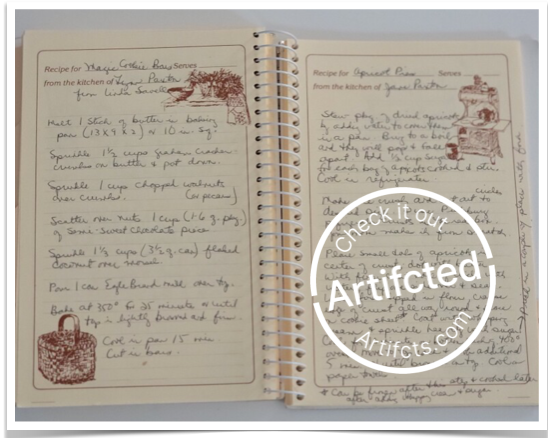
Click the image to view Matt Paxton's family cookbook that he Artifcted. 

How to Artifct your recipes to preserve traditions, stories, and memories 

Intrigued? Want to give it a try? We’ve compiled the below step-by-step guide to help you begin Artifcting your family recipes and preserving your culinary heritage ahead of the holidays: 

1. Gather your recipes and the accompanying keepsakes 

  • Pull together all the physical and digital items. 
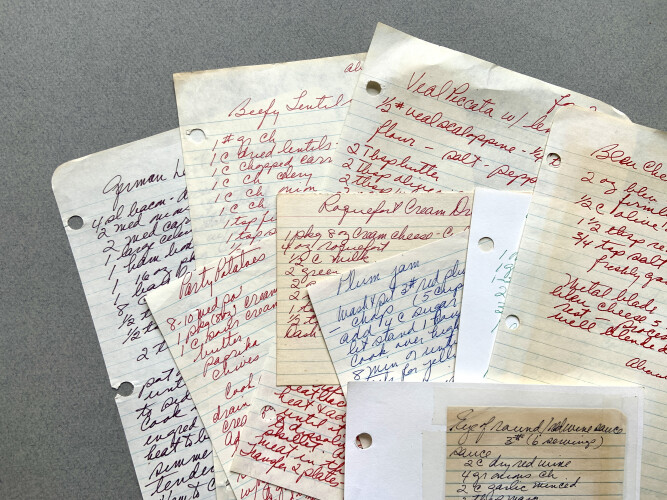
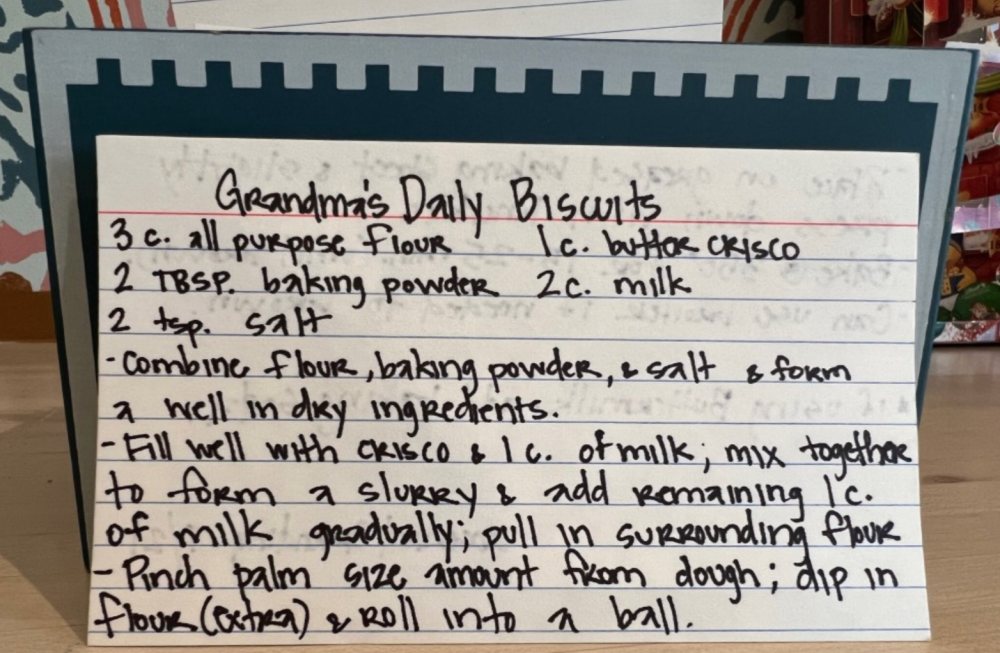
  • Don’t forget handwritten index cards, printed family cookbooks, scraps of parchment with notes, old magazine cut-outs, even photos of the dish or the family moment. 

2. Photograph the key items you want to include in the Artifct 

  • Don’t worry, you can always go back and edit it if you forget something! 

3. Add the story behind each recipe 

  • Who cooked it originally?  
  • When/where was it typically served? (Holiday dinner each December, Sunday brunch, etc.)
  • What makes it special? The ingredient twist? The aroma? The family joke tied to it?
  • Write (or record video or audio) short anecdotes: “I remember the year the turkey caught fire and we still served this cranberry relish…”
  • Photograph: The dish itself, the handwritten card, the cook in action, the table-setting from past years. 

4. Organize, organize, organize 

  • Use Categories (Home → Recipes and Occasions → Holidays)
  • Create custom tags to easily sort and search, e.g., #MomsRecipes, #FamilyFavorite, #Handwritten, #Thanksgiving2026, etc. 

5. Share and invite contributions 

  • Privately share recipes with relatives (near or far) via link or invite.  
  • Give loved ones “Editor” access so they can collaborate and even add variations or their own memories, if you want them to. 

You might discover after Artifcting your family recipes you may be willing (or able) to downsize and declutter your cookbook collection. Consider retaining the cookbooks you actively use, the sentimental ones, and let others go (donate, recycle, give away) knowing your family’s tradition lives on in your Artifcts collection. This is especially helpful ahead of holidays, when you may want to free up space, reduce clutter, simplify your kitchen area and keep the heart of your culinary heritage intact.

Why Artifcting wins vs. pure cookbooks 

  • Shareability: Traditional cookbooks are fine for the in-house chef, but sharing them across generations, branches of the family, or geographically separated relatives is harder. With Artifcts, you can privately share with cousins, grandchildren, or nieces and nephews, invite contributions, and access from anywhere. 
  • Context & story: A cookbook often gives you a title, ingredients, steps—but rarely the story: “why Grandma always added nutmeg,” or “how this dish saved the day when the oven broke on Christmas Eve.” Artifcts preserve the memory, not just the mechanics. 
  • Searchable & customizable: You can tag by holiday, ingredient, dietary restriction, chef-in-the-family, etc. Over time you build an archive that you can browse by event or person—far more flexible than a static bookshelf. 
  • Space & organization: If your cookbook collection is growing unwieldy (shelves overflowing, dusting stress), Artifcting gives you a chance to digitize key recipes + stories, reduce physical clutter, and still keep the heritage alive. It’s a win-win: fewer books, more meaning. 
  • Legacy and future-proofing: Physical cookbooks may fade and get lost; handwritten cards may deteriorate. A thoughtfully maintained digital archive ensures these traditions aren’t lost, even if a physical book is damaged or thrown out. This matters especially for holiday-linked dishes that may only appear once a year. 


Final thoughts 

Family recipes are more than just good food. They are the threads that weave together generations, holidays, kitchens, stories, aromas, and memories. As Sava noted in her article on family cookbooks: “The family cookbook becomes an album of memories… the handwriting may summon the image of the person who wrote that recipe.”  

“The family cookbook becomes an album of memories…"

By taking the time now—before the holiday rush—to Artifct your cherished recipes, you’ll be gifting your family a legacy of meaning as well as a well-curated digital archive rich with stories, photos, and flavors. It’s he kind of heirloom that can travel across generations far easier than a shelf-full of cookbooks. 

So, pull out your recipe box, gather those favorite dishes, invite your family to tell you the “why” behind them—and get started preserving your traditions, one recipe at a time. 

###

Looking for more tips on HOW to Artifct your recipes? Check out our guide, How to Artifct Recipes to help you get started. 

© 2026 Artifcts, Inc. All Rights Reserved.

Read more
Your privacy

This website uses only essential cookies to provide reliable and secure services, streamline your experience, allow you to share content from this website on social media, and to analyze how our Site is used. Learn more about these cookies and cookie settings.

Accept & Continue
Oops! This Web Browser Version is Unsupported

You received this warning because you are using an unsupported browser. Some features of Artifcts will not be available or will be displayed improperly until you update to the latest version or change browsers.

Close
Image for unsupported banner Oops! This Web Browser is Unsupported

You received this warning because you are using an unsupported browser. Some features of Artifcts will not be available or will be displayed improperly until you update to the latest version or change browsers.

Unsupported banner close icon Close